
Riding Budapest’s Extraordinary Metro
From UNESCO World Heritage to Driverless Trains

Unless you are a serious train buff like me, a metro system is never a destination, but rather a mundane way to get from point A to point B. But this is not the case with the Budapest metro. Line M1 has been listed as a UNESCO World Heritage site since 2002 due to its historical significance and preservation of 19th‑century architecture and engineering. I would argue it’s one of the primary tourist attractions in this beautiful European capital and a must‑ride while in the city.
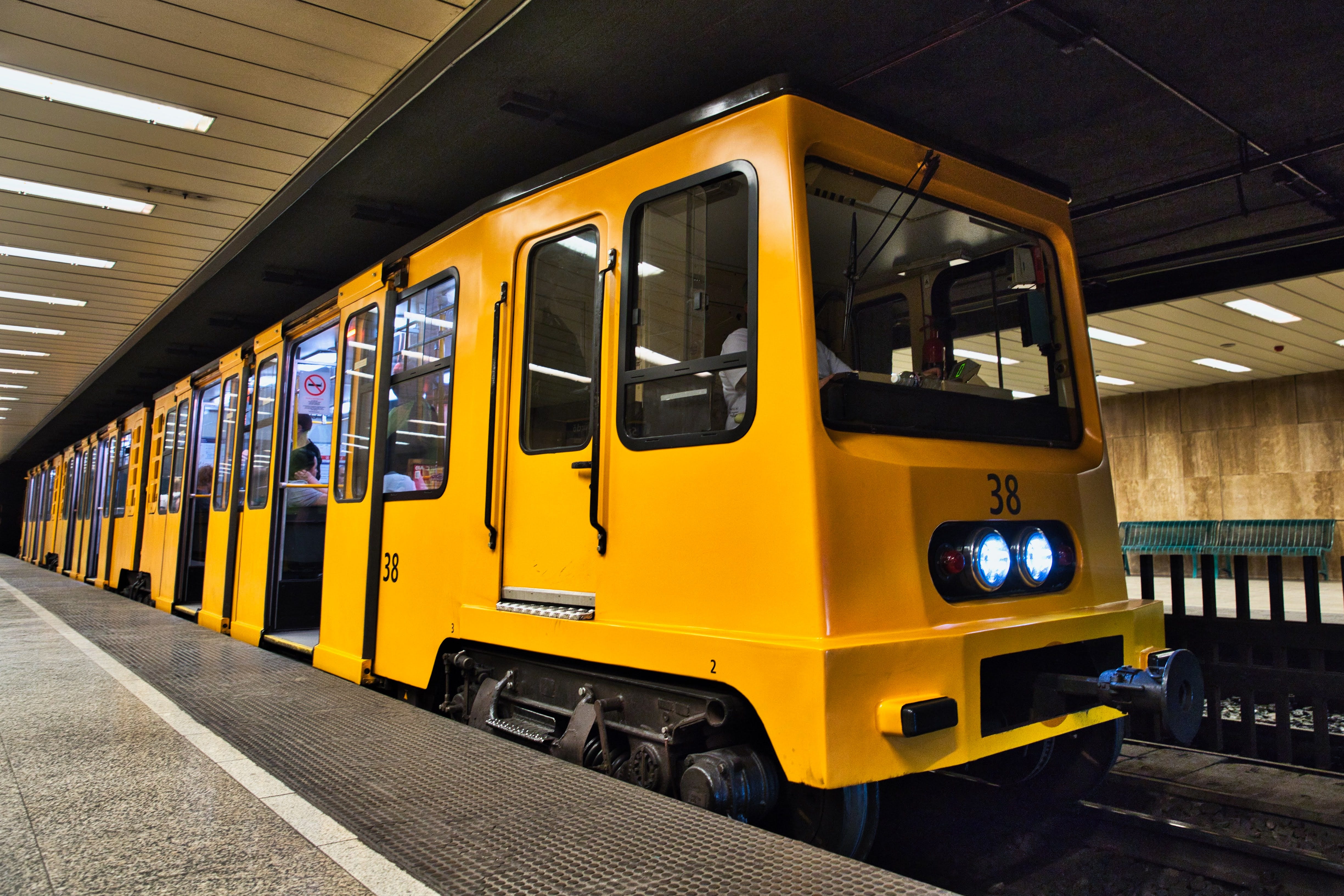
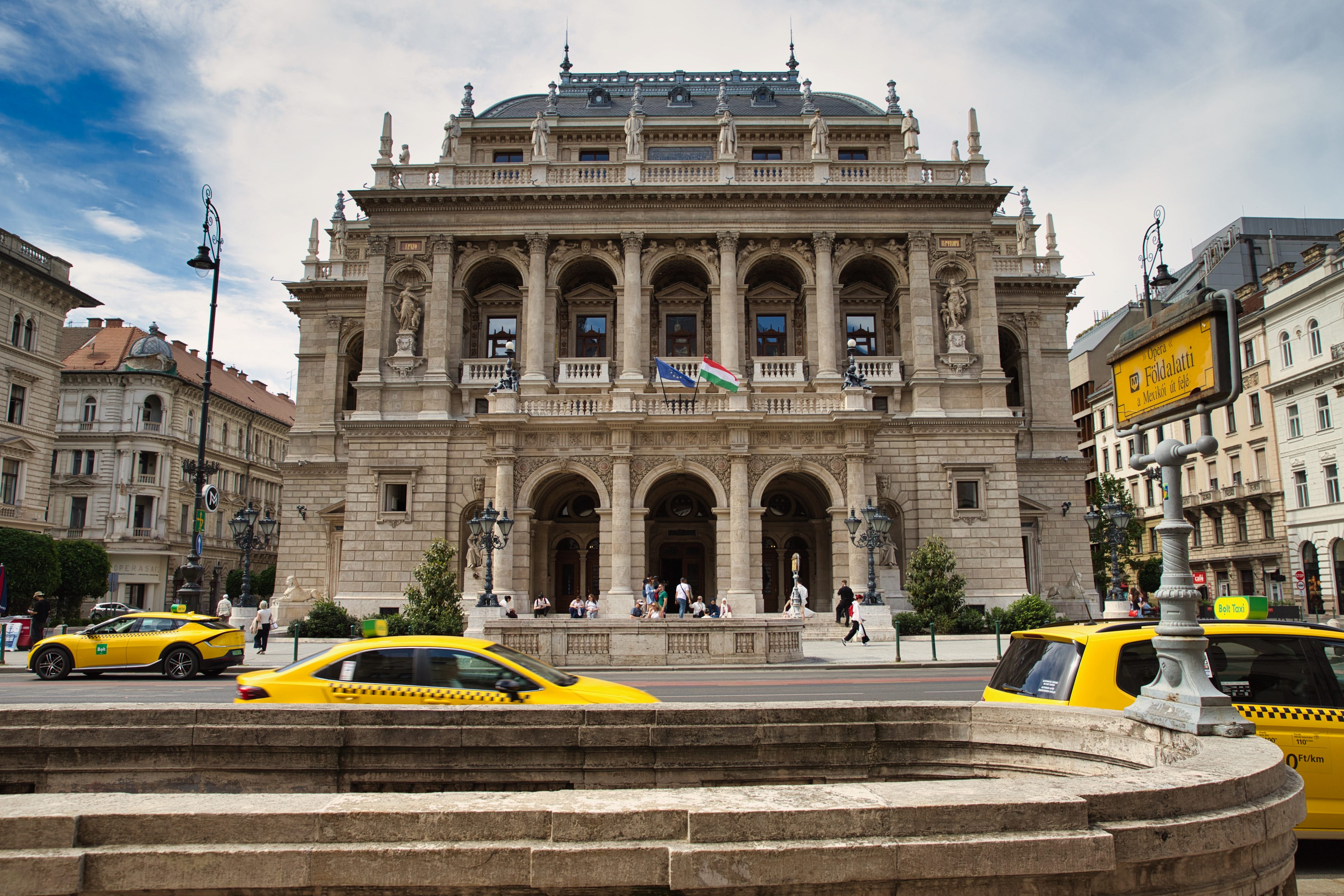
This line is also called the Millennium Underground Railway, marking the 1,000th anniversary of Hungarian statehood. It runs primarily underneath Andrássy Avenue (Andrássy út).
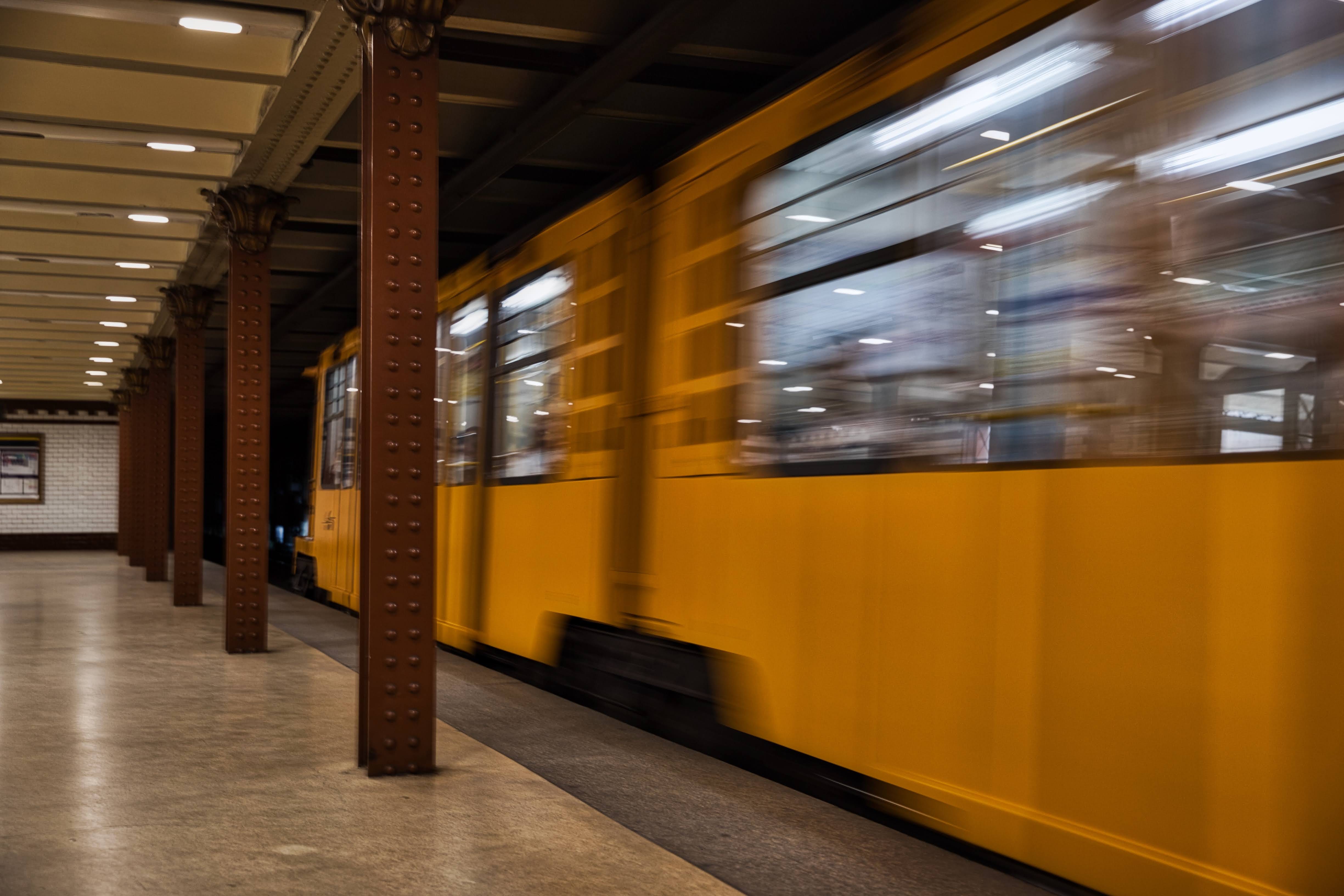
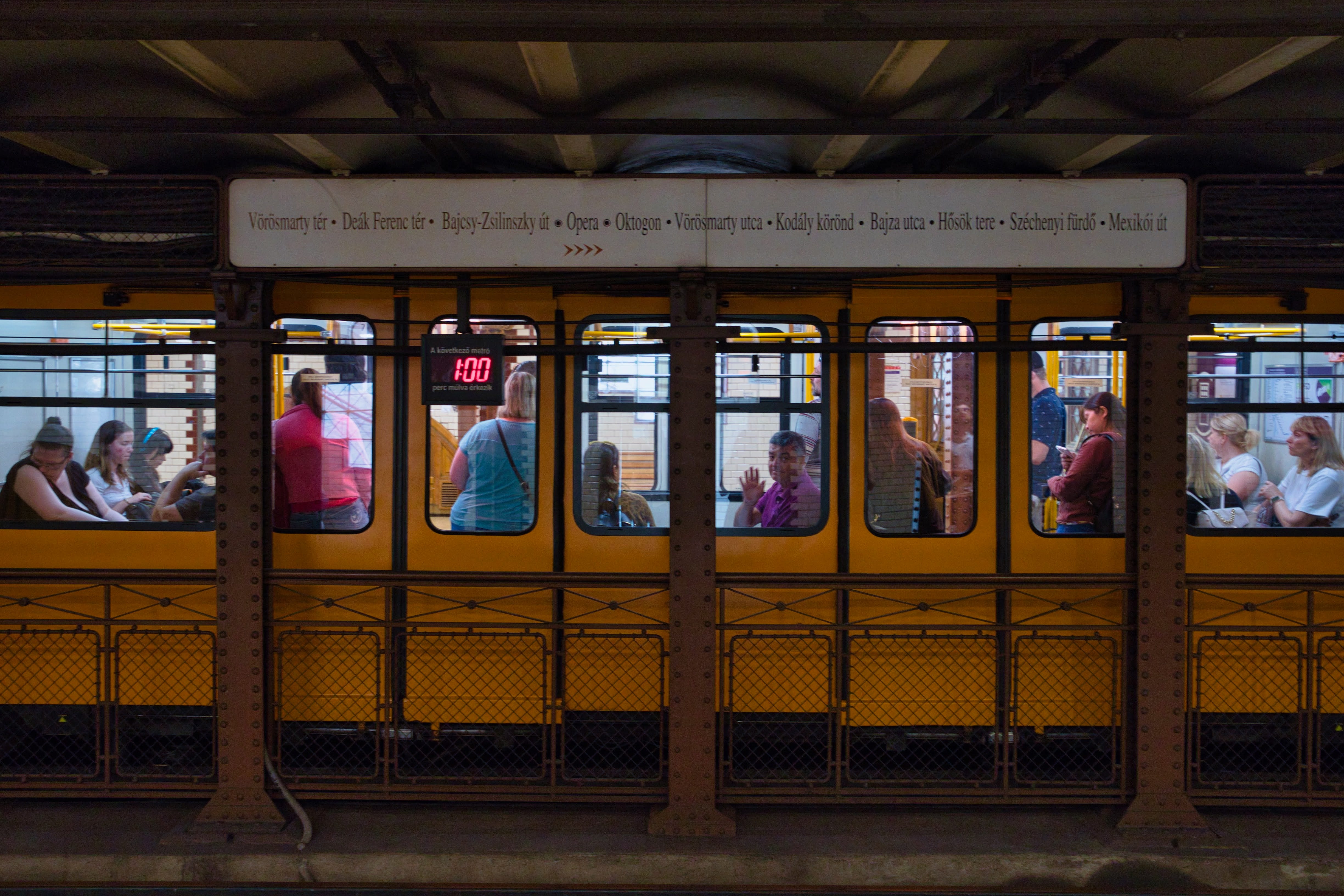
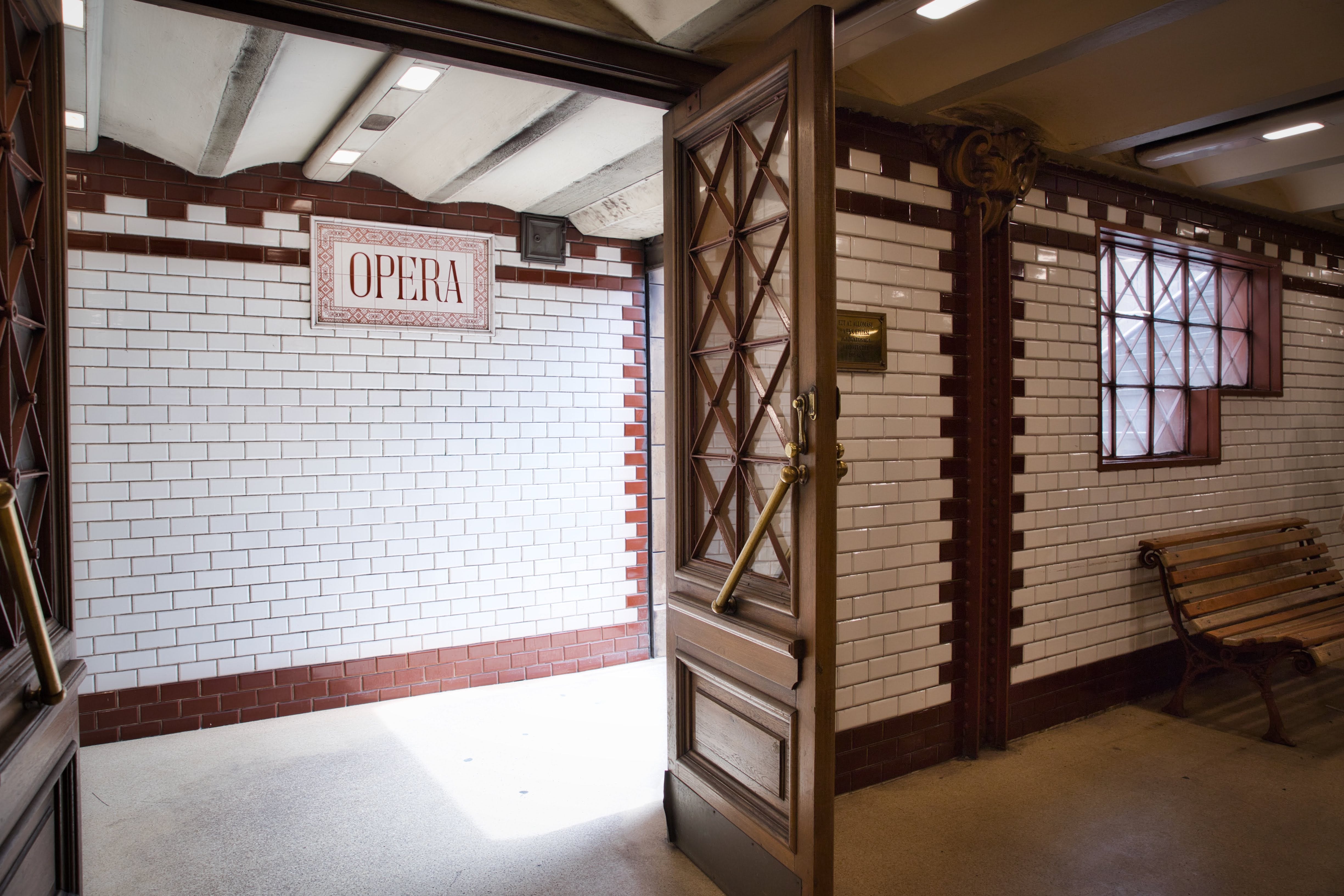
Many of the stations retain original tiled walls and signs, wooden benches, kiosks, and ventilation grates, creating a very nostalgic and charming design, often described as a “living museum.” The tiles are manufactured by Zsolnay Porcelánmanufaktúra Zrt., a famous Hungarian porcelain producer.
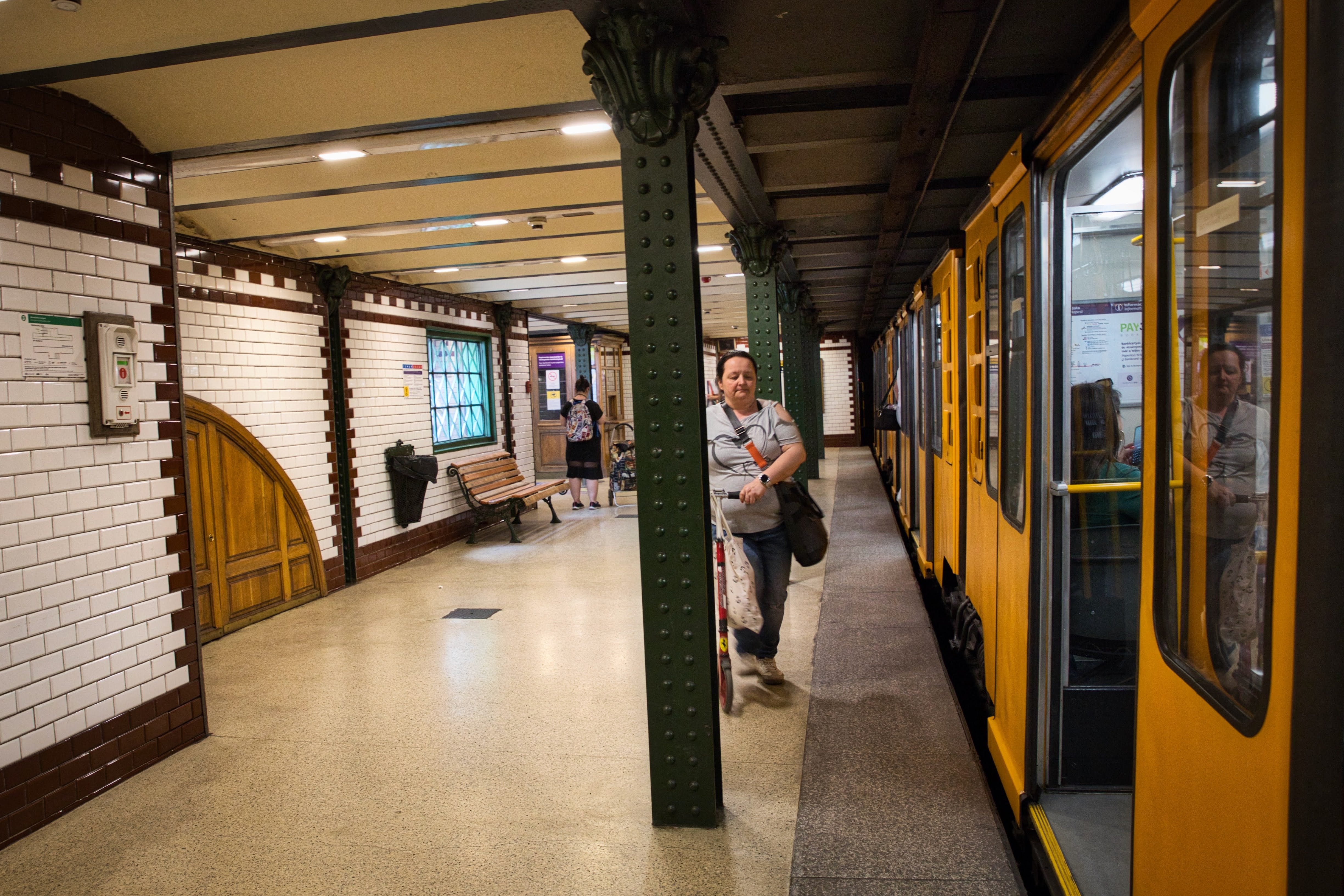
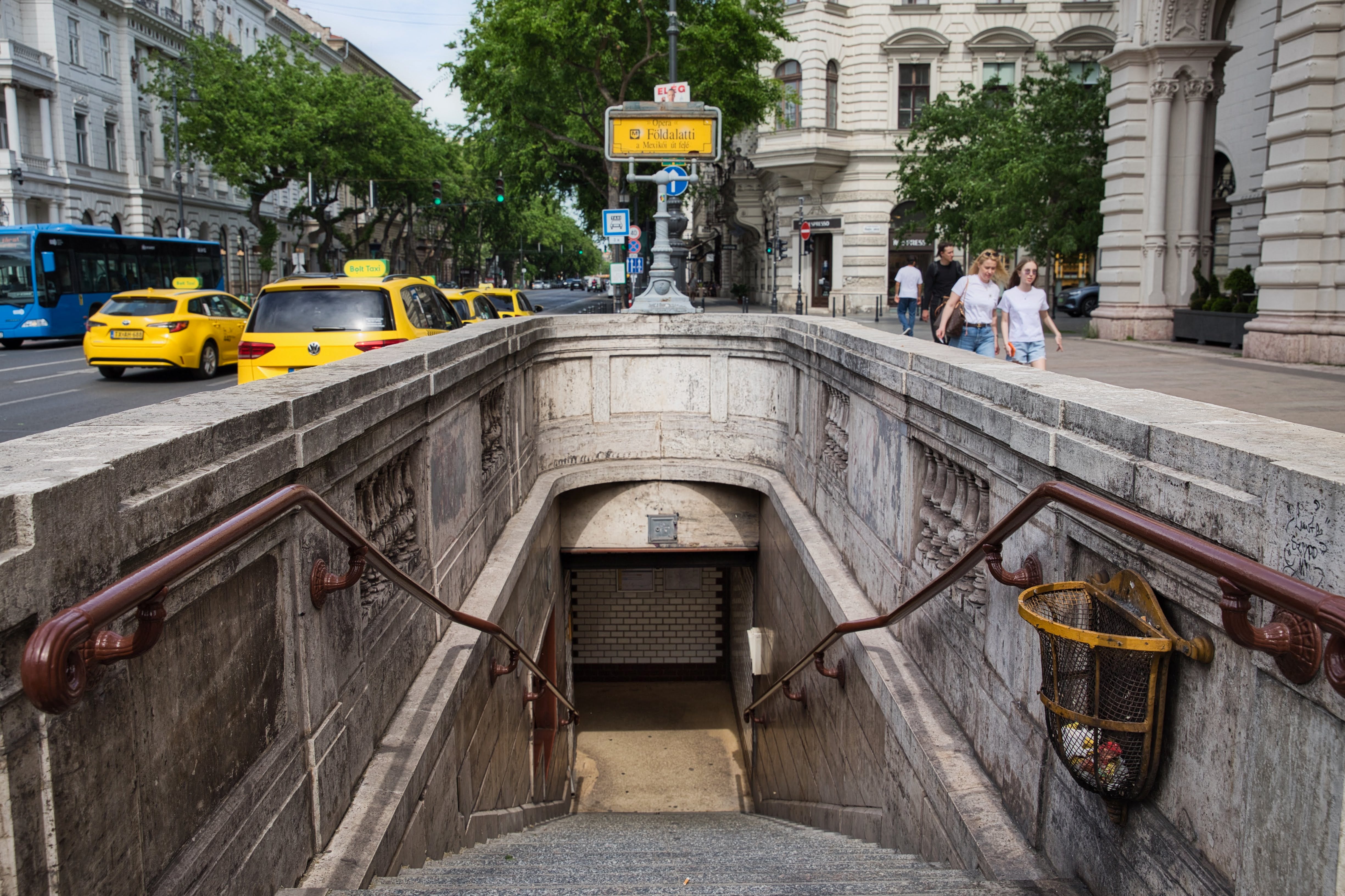
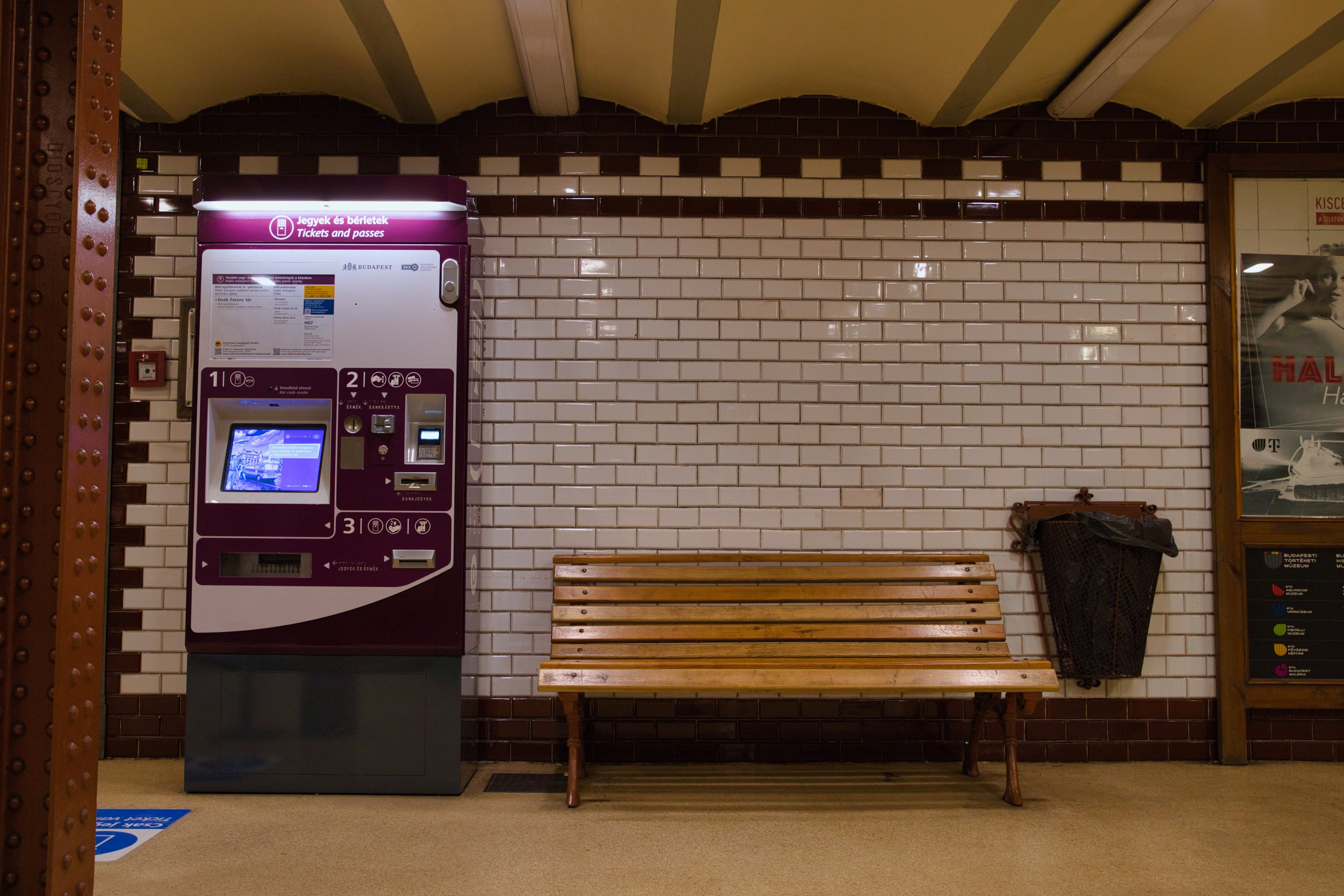
Having said that, there is also a small museum located under Deák Ferenc Square, converted from an original tunnel section that was withdrawn from traffic in 1955 due to the construction of the East–West Line M2 (Red). The museum is part of the UNESCO World Heritage site and preserves its original glazed tiles and signage.
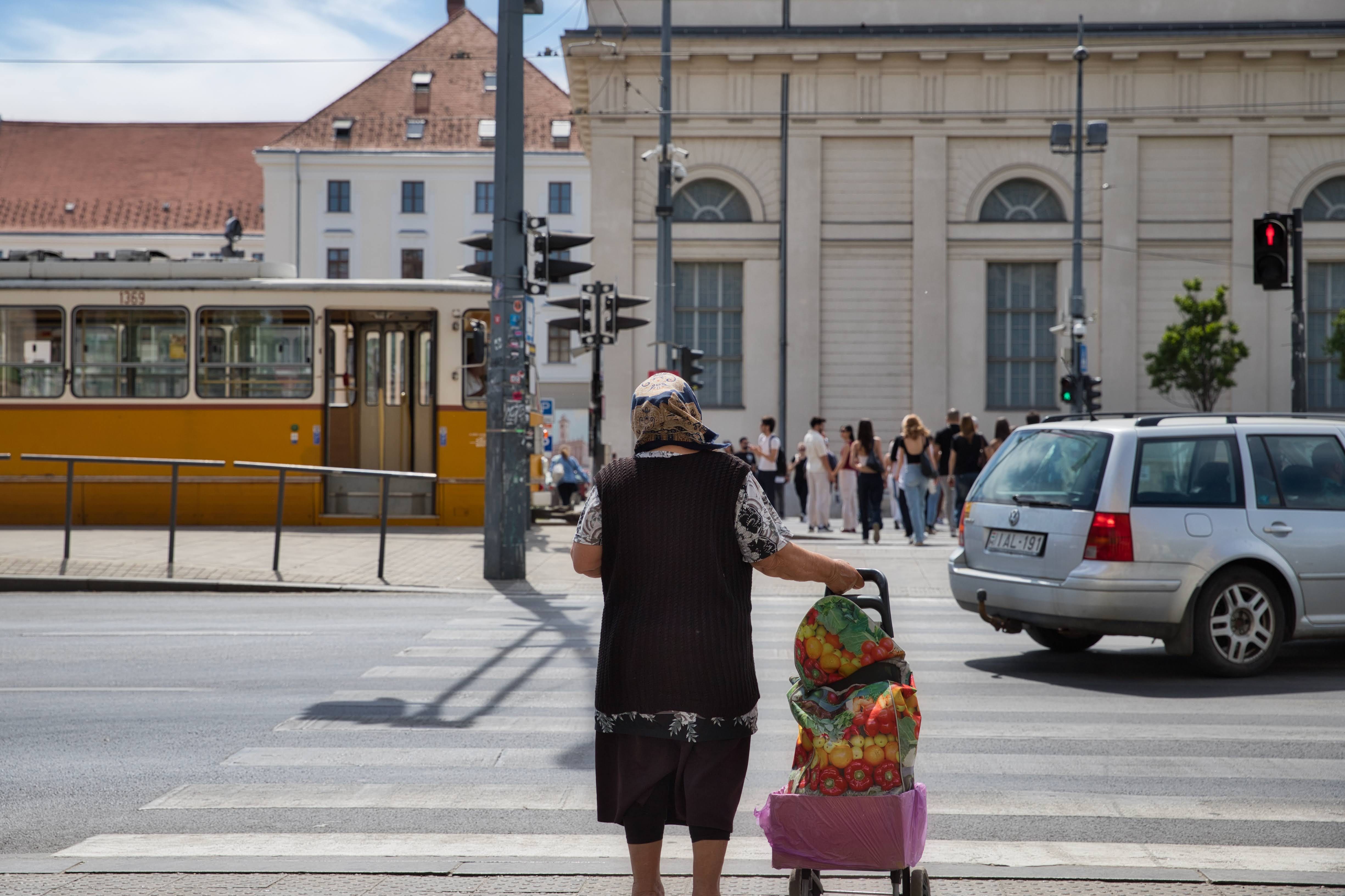
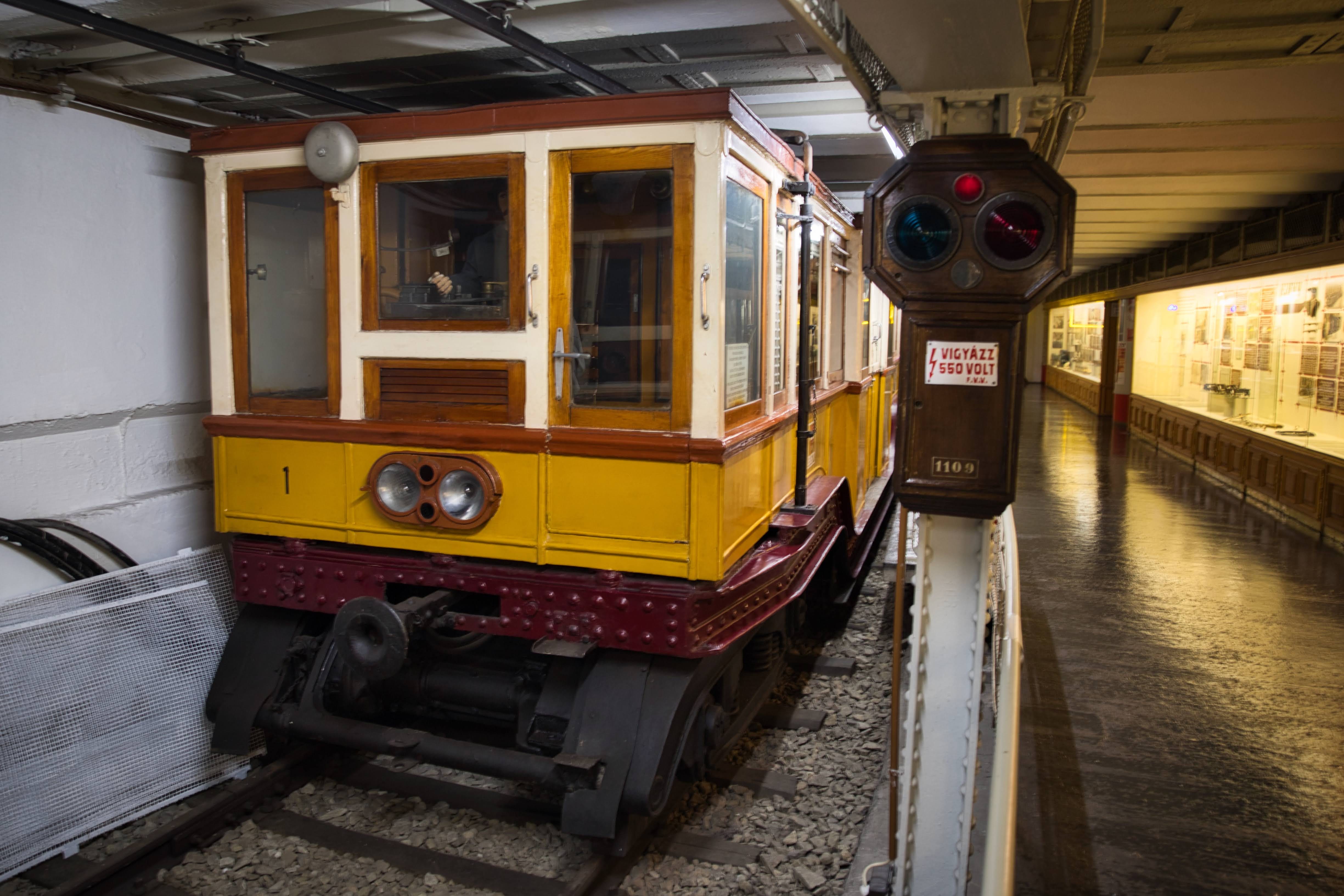
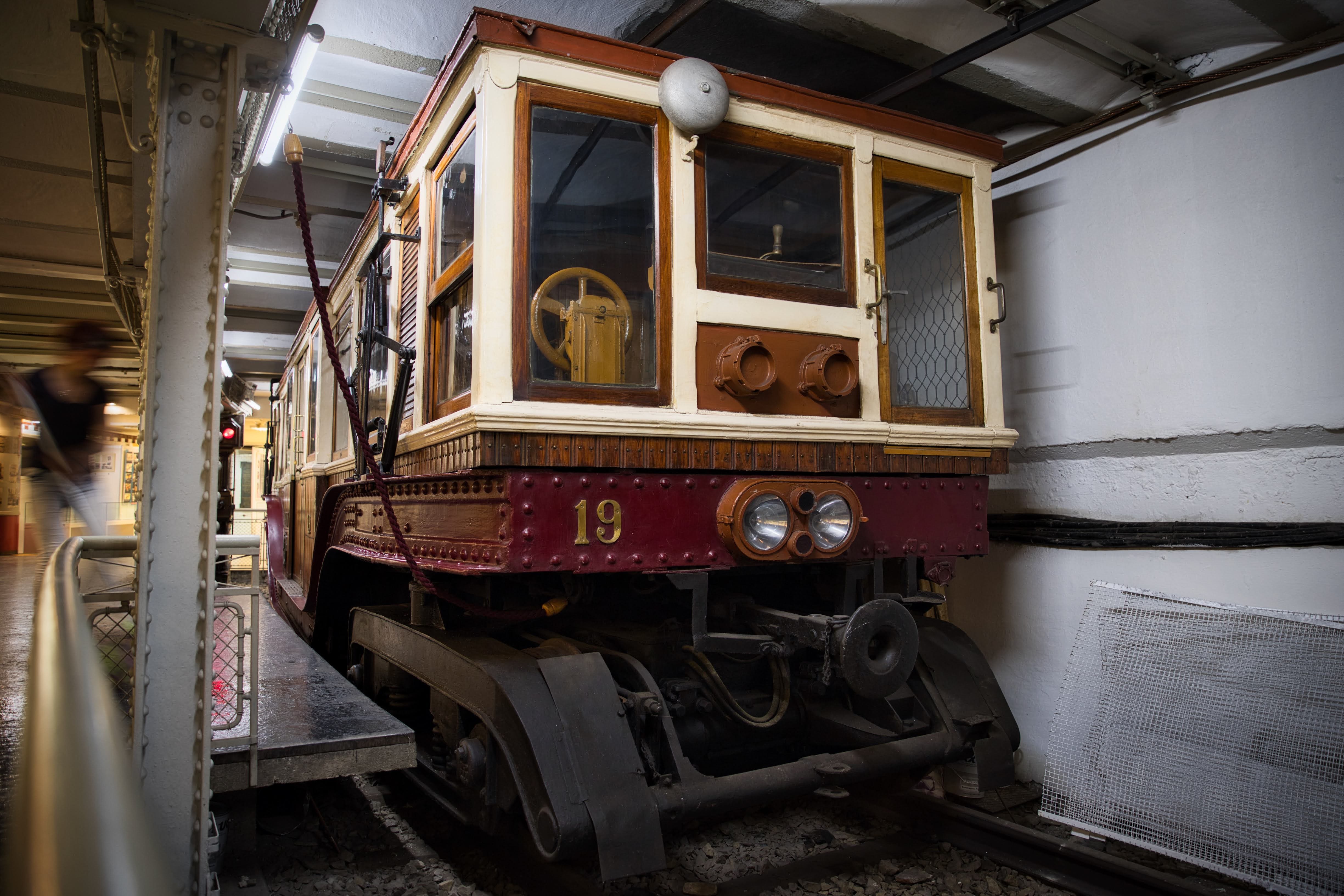
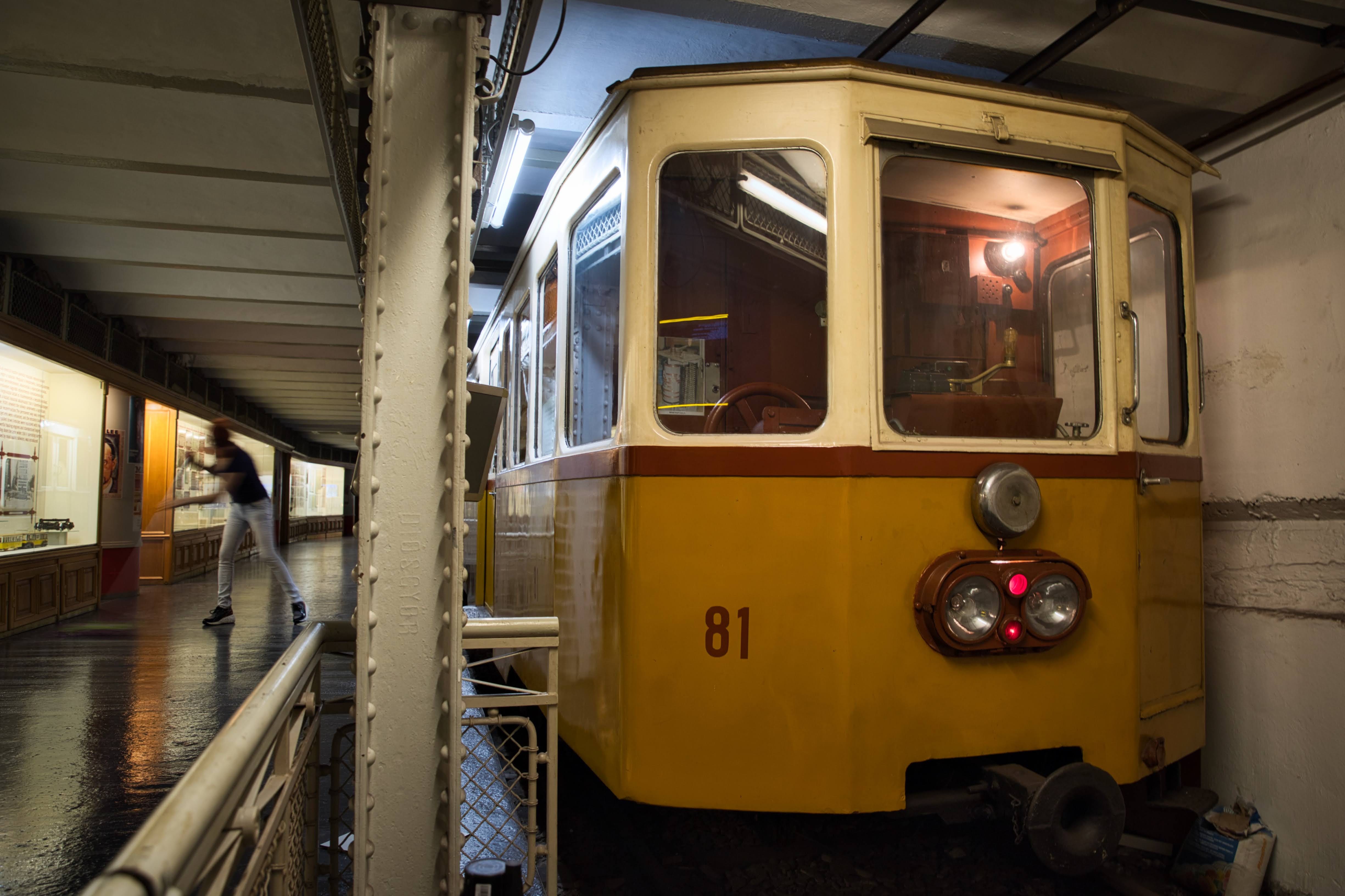
The most exciting exhibits, however, are the three historic underground railway vehicles: #1 and #19, both built for the opening of the line in 1896. Car #1 is presented in the condition it was in when withdrawn from service in 1973, while #19 has been restored to its original 1896 appearance. Car #81, built in 1959–1960 to provide additional capacity, was also withdrawn in 1973 when new vehicles entered service. Unfortunately, none of the vehicles is open for visitors to enter.
When the line opened in 1896, it was the first electrified underground metro in continental Europe. Before it, only two underground railways existed worldwide: one in London opened in 1863 and another one (actually, a funicular) in Istanbul, Turkey, then part of the Ottoman Empire, opened in 1875.
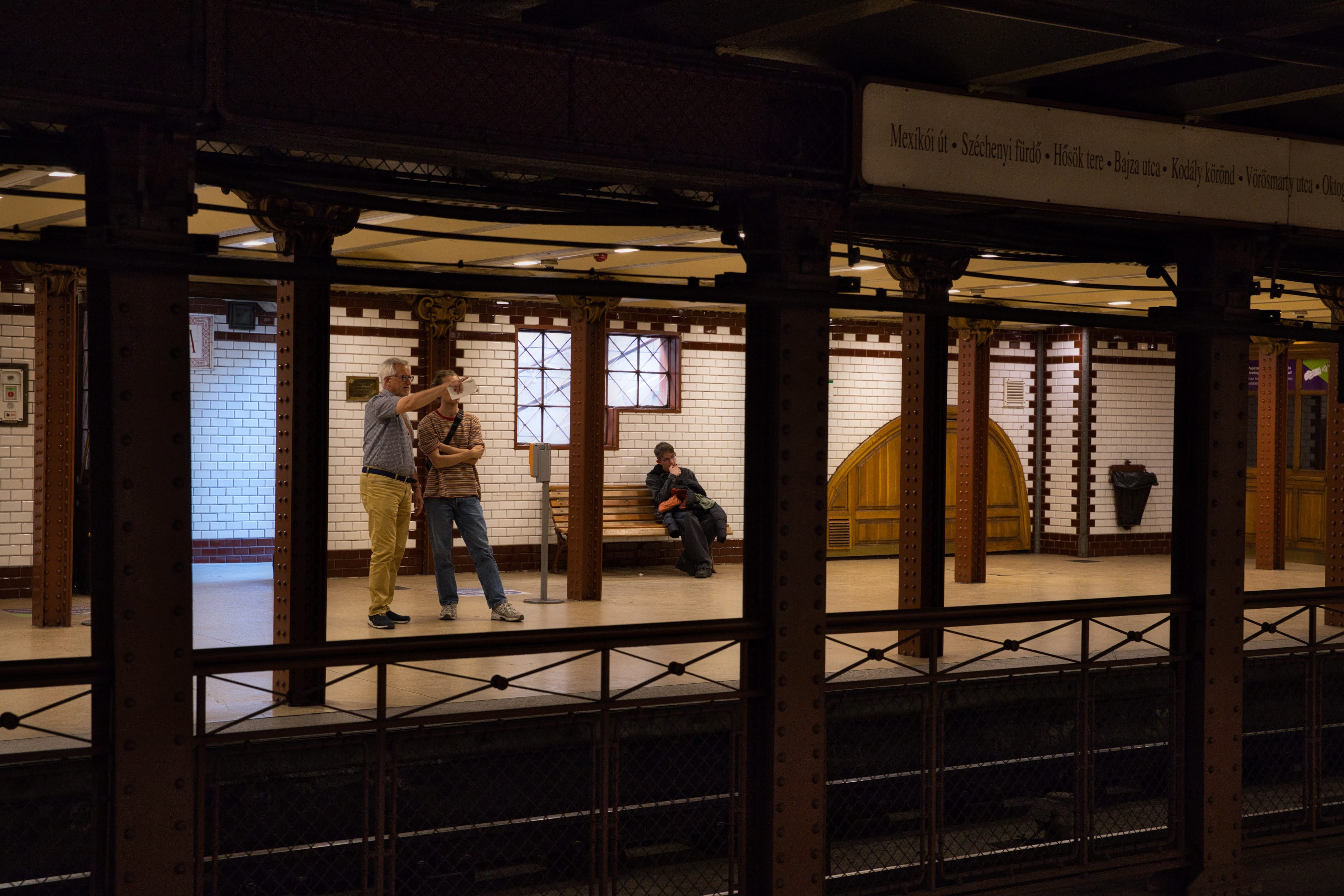
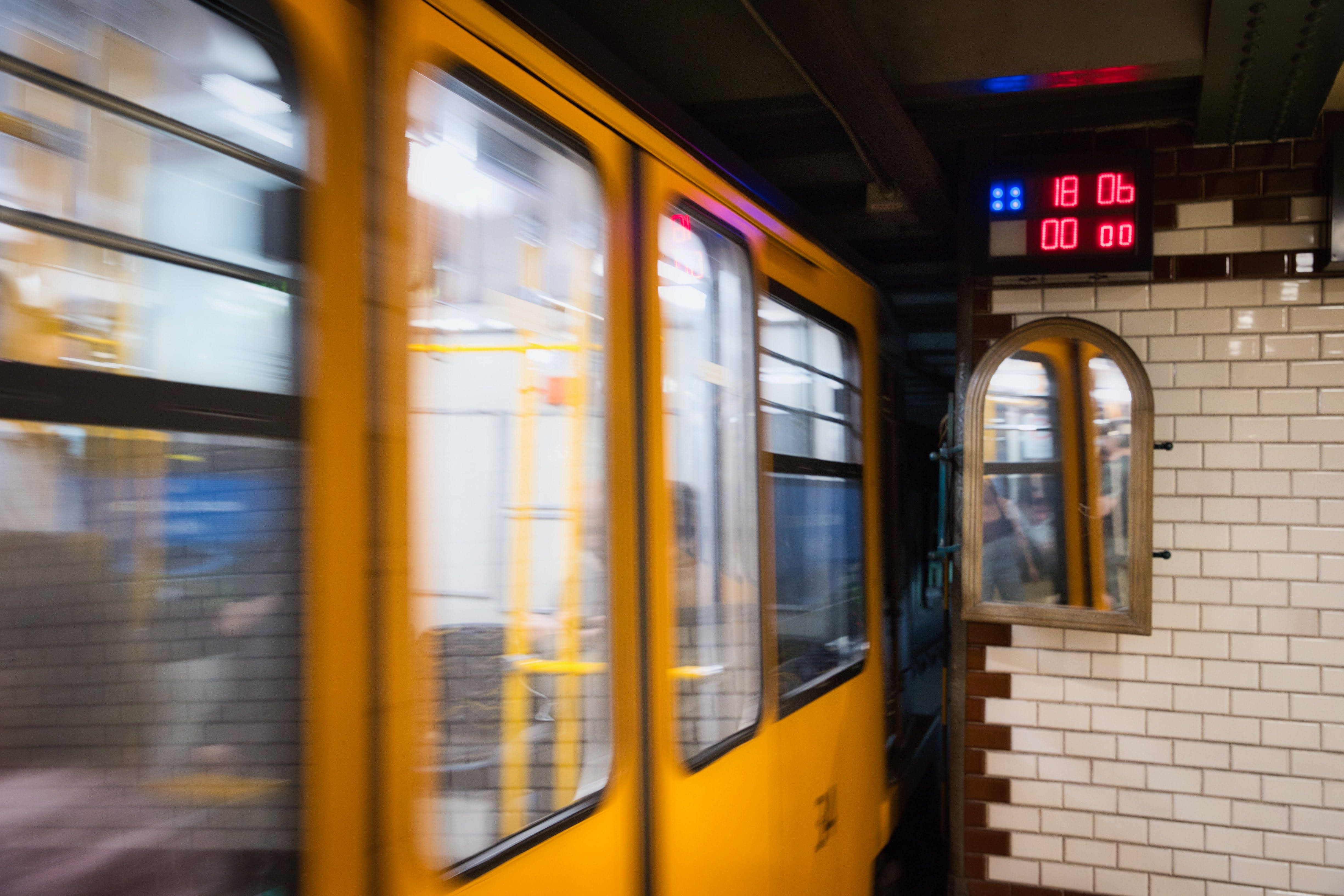
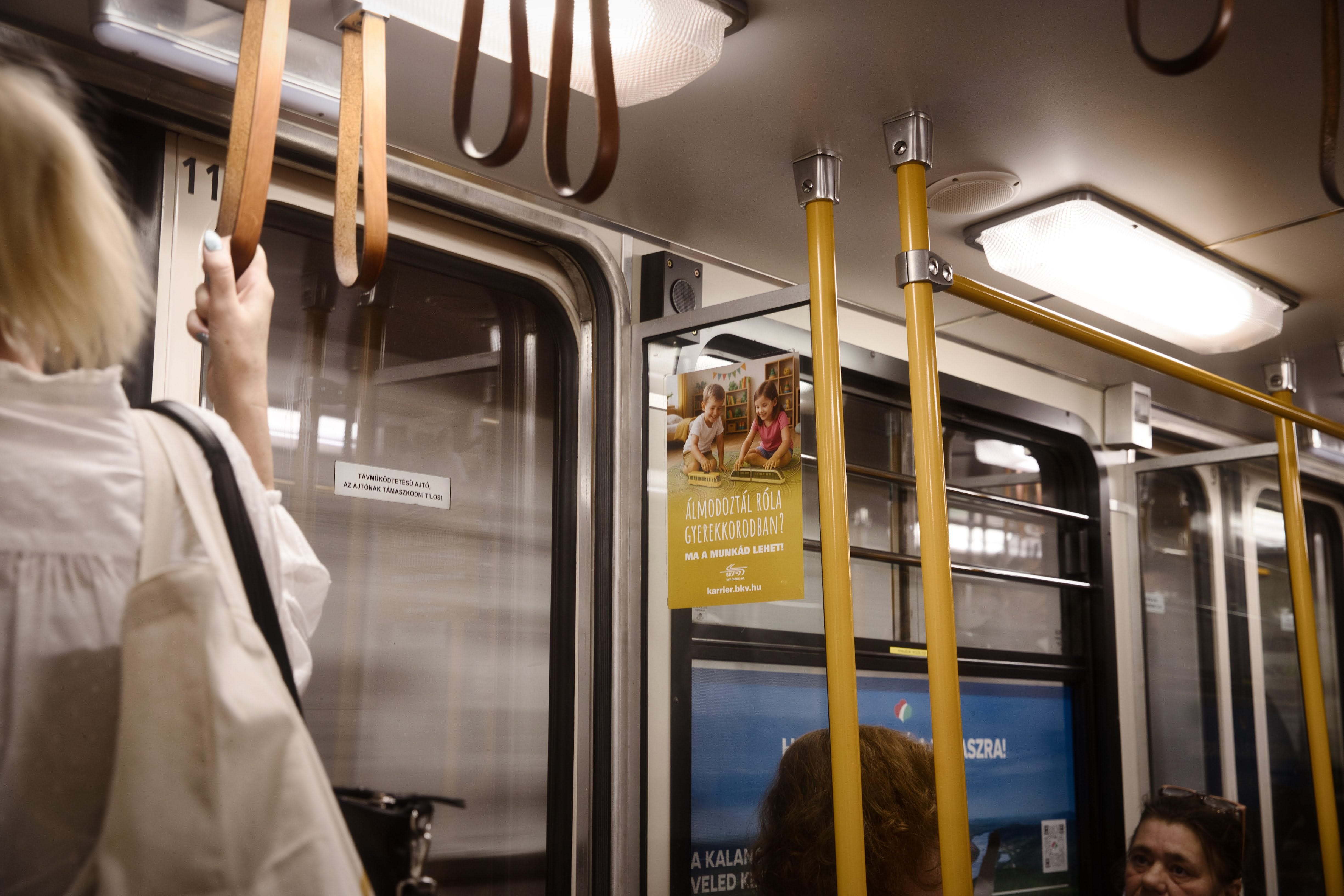
All the original stations, except Opera, had beautiful Art Nouveau entrance pavilions designed by Hungarian architect György Brüggemann. I would say they definitely rivalled those in Paris. Unfortunately, none have survived to this day.


Line M1 is still operational - and has been ever since its opening - and remains popular among both locals and tourists. It connects Vörösmarty tér in downtown Pest (did you know that Budapest is actually made up of two former cities sitting on opposite banks of the Danube River - Buda and Pest?) to Mexikói út. Today, a single vehicle can carry up to 190 passengers at speeds of up to 60 km/h (37 mph).
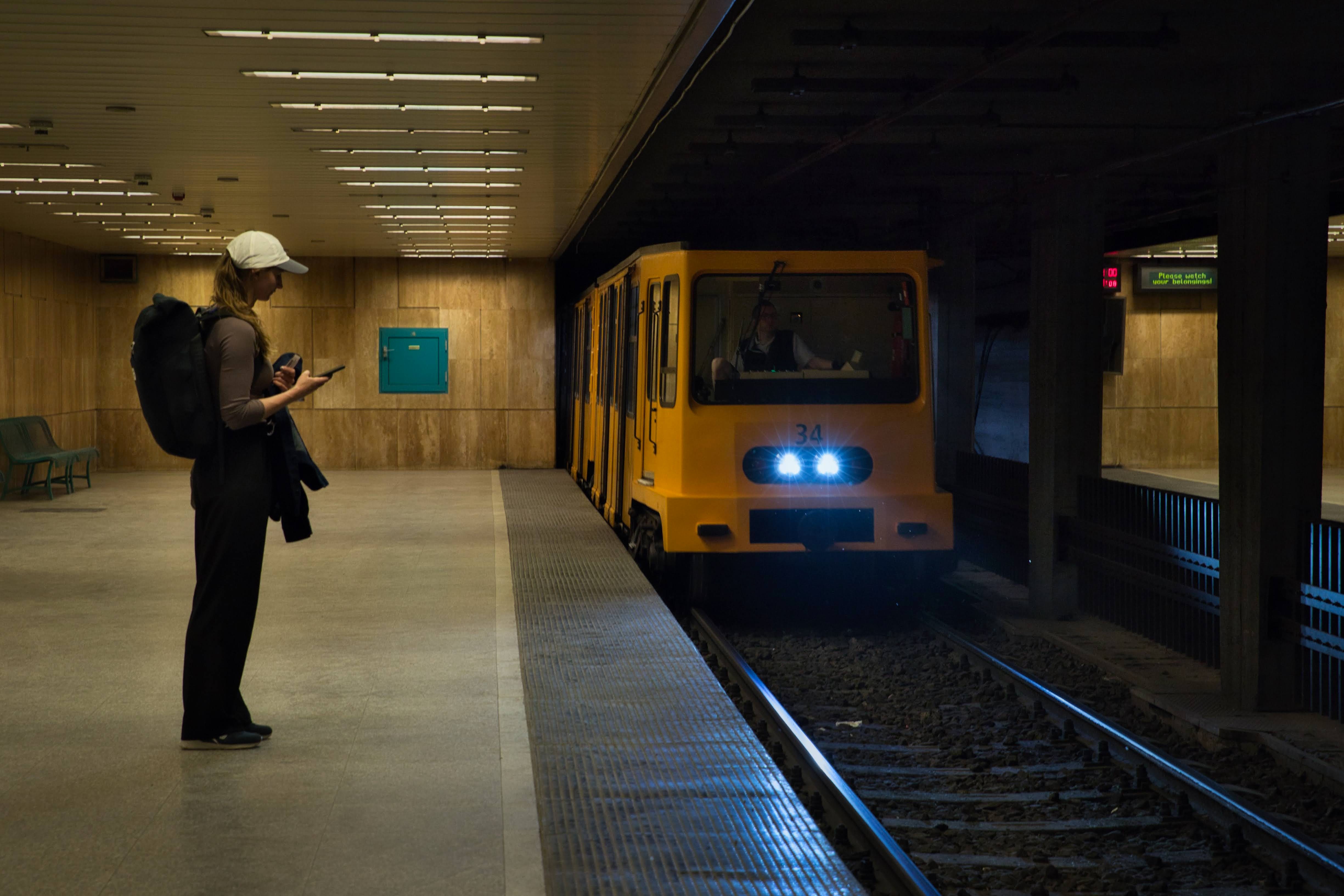
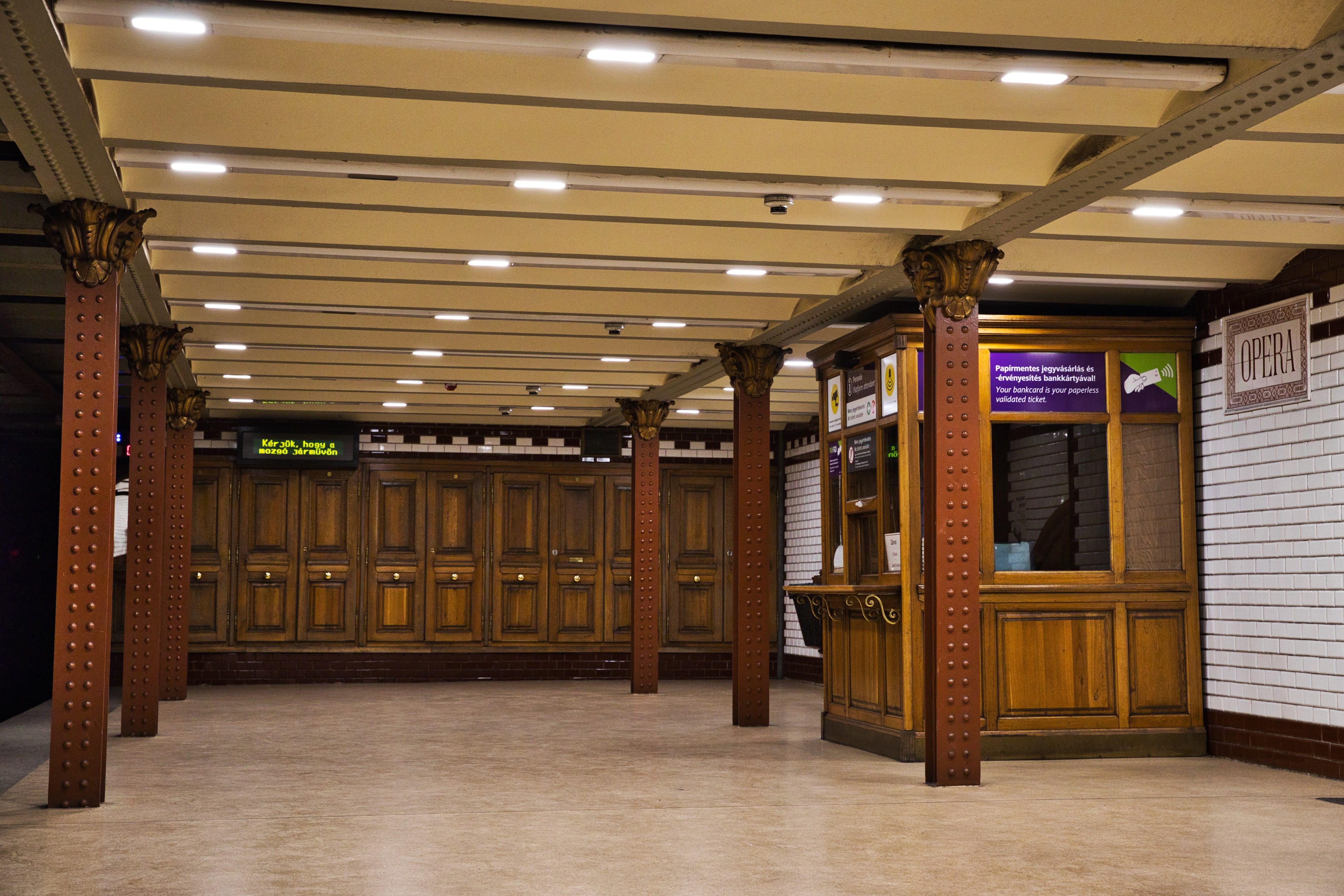
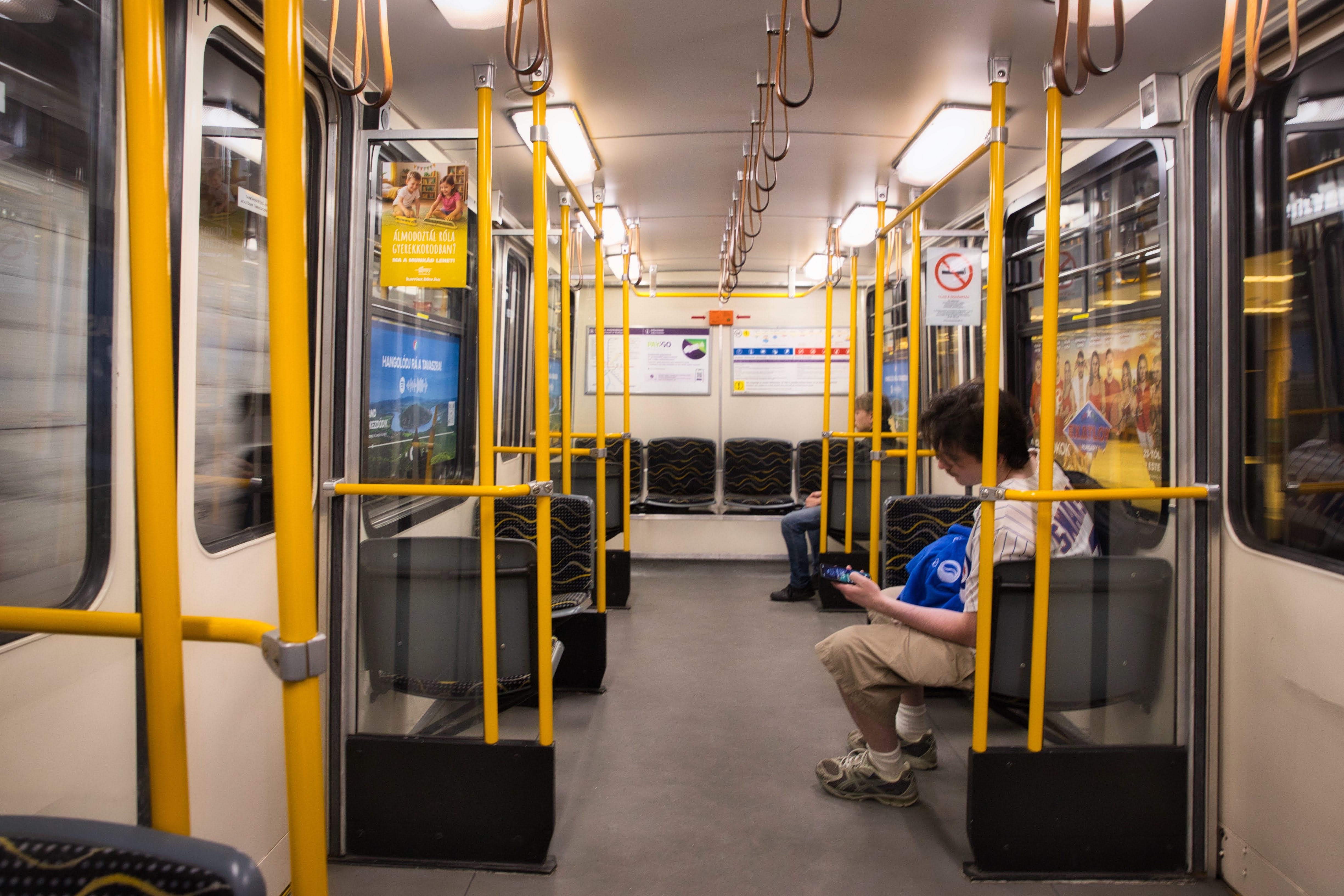
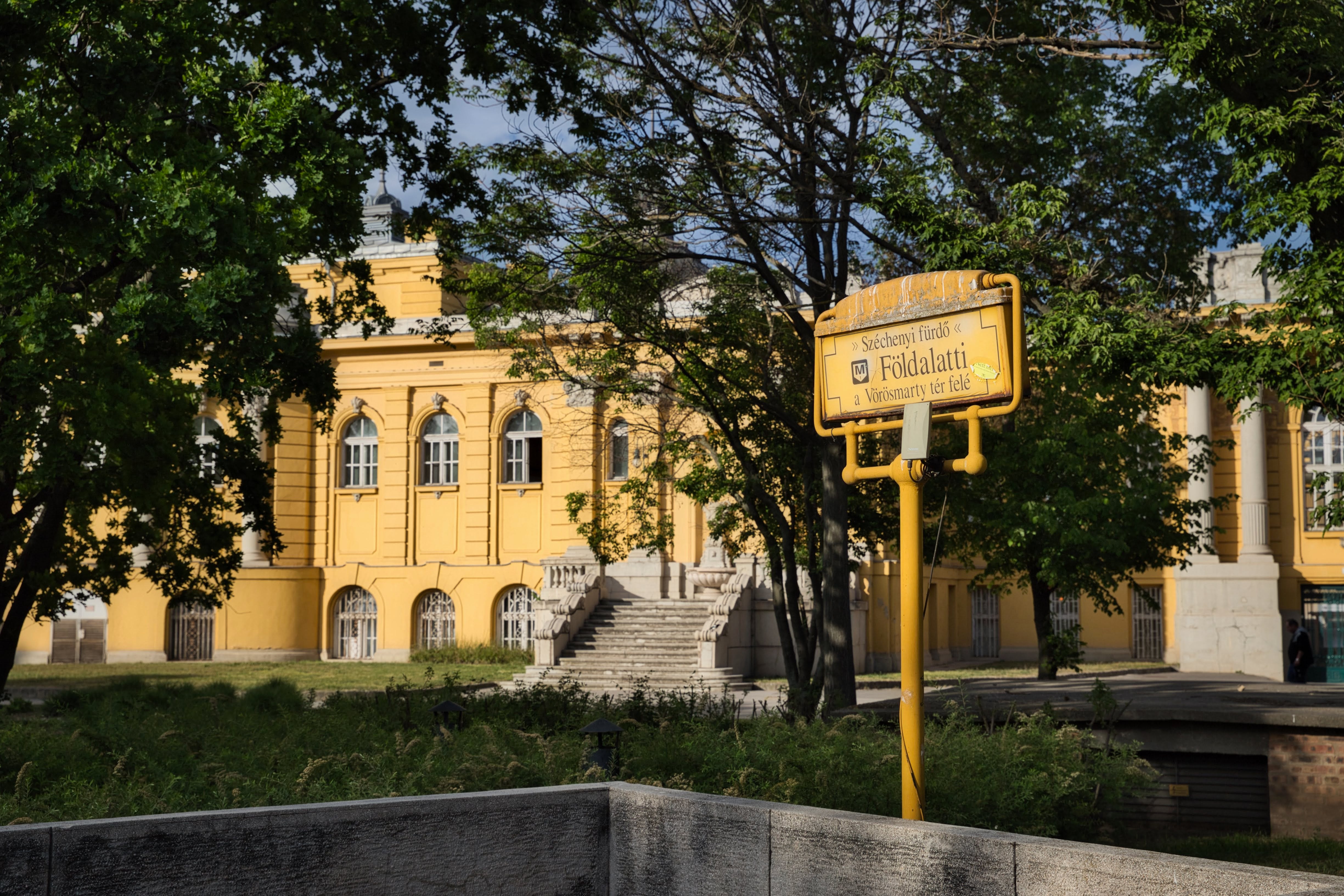
Not only did I ride the Line M1 for fun, but I also used it to get to the famous Széchenyi Thermal Bath. The station is located right in front of the main spa building.
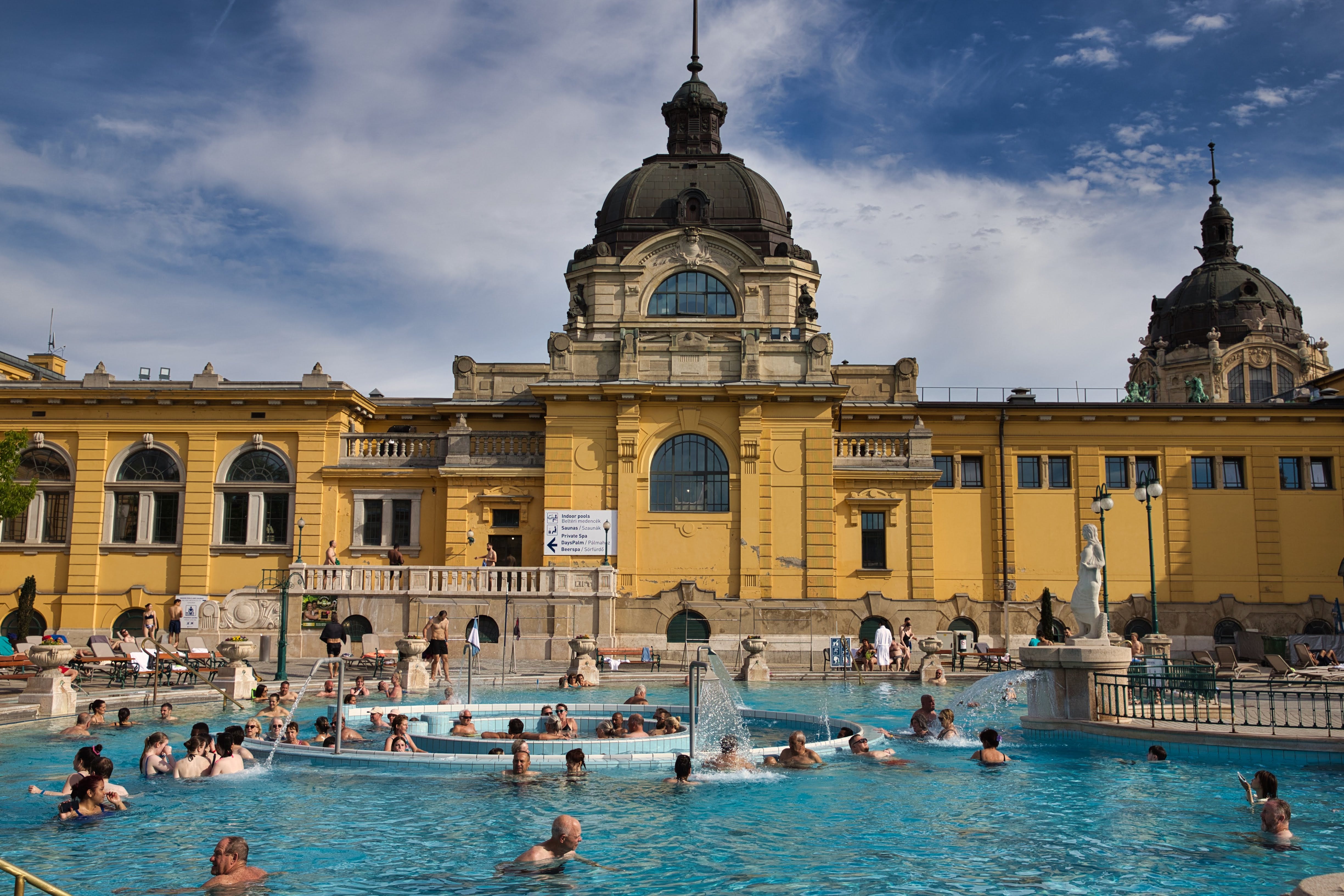
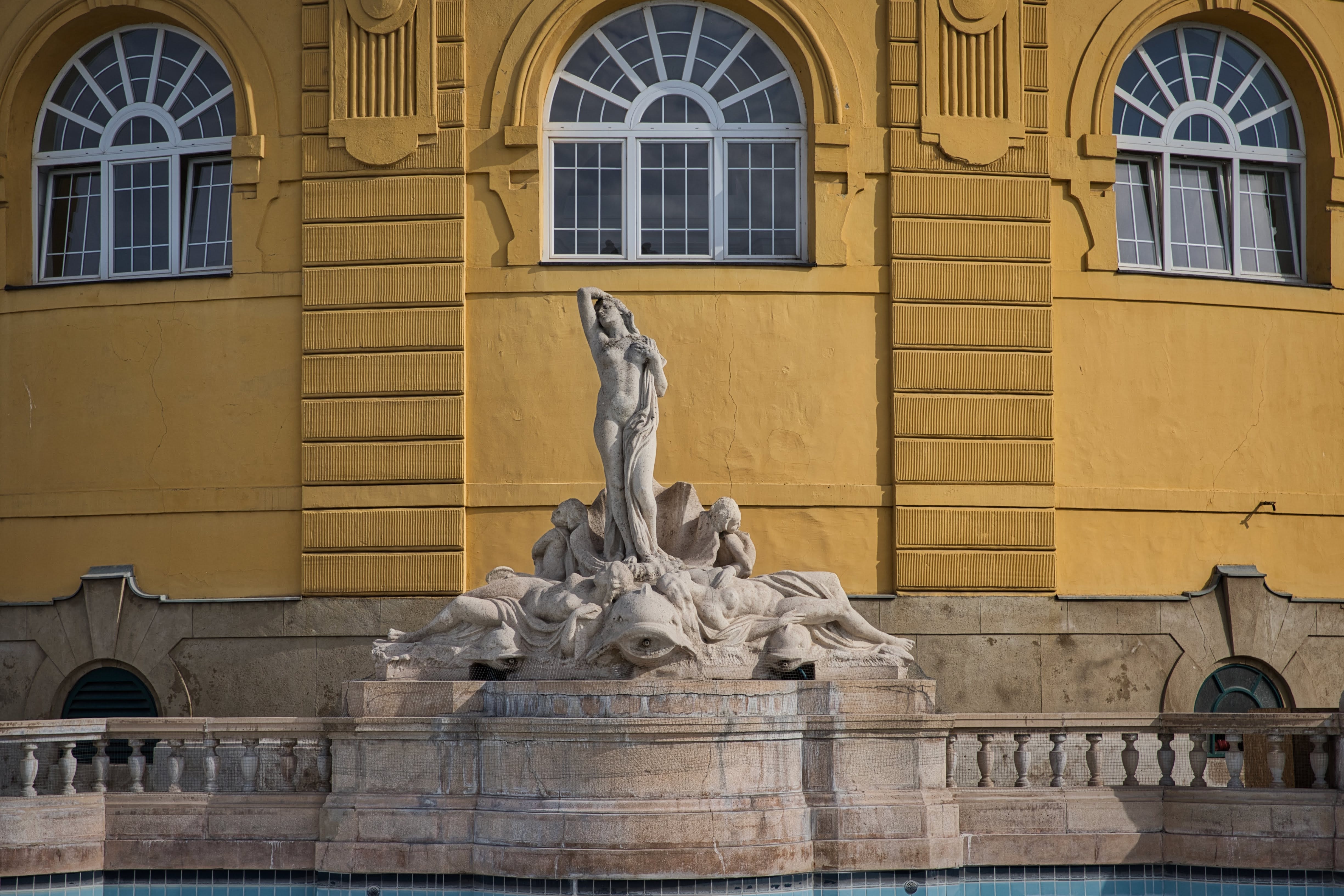
The line was reconstructed twice, first in 1973 and again in 1995. The former was necessary due to increasing traffic, aging infrastructure, and the construction of newer heavy metro lines in Budapest. The latter marked the 100th anniversary of the line’s opening and was mostly cosmetic in nature.
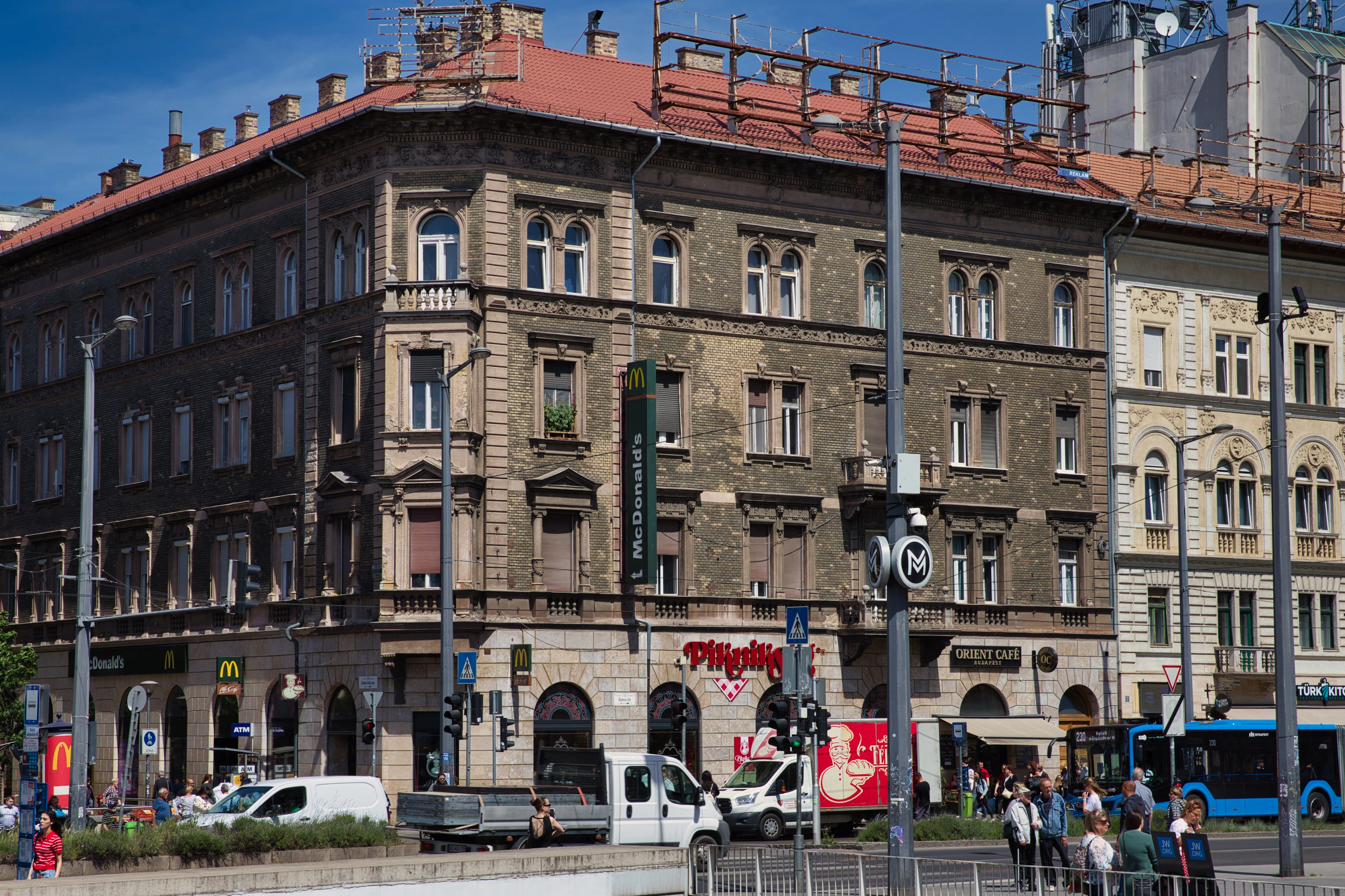
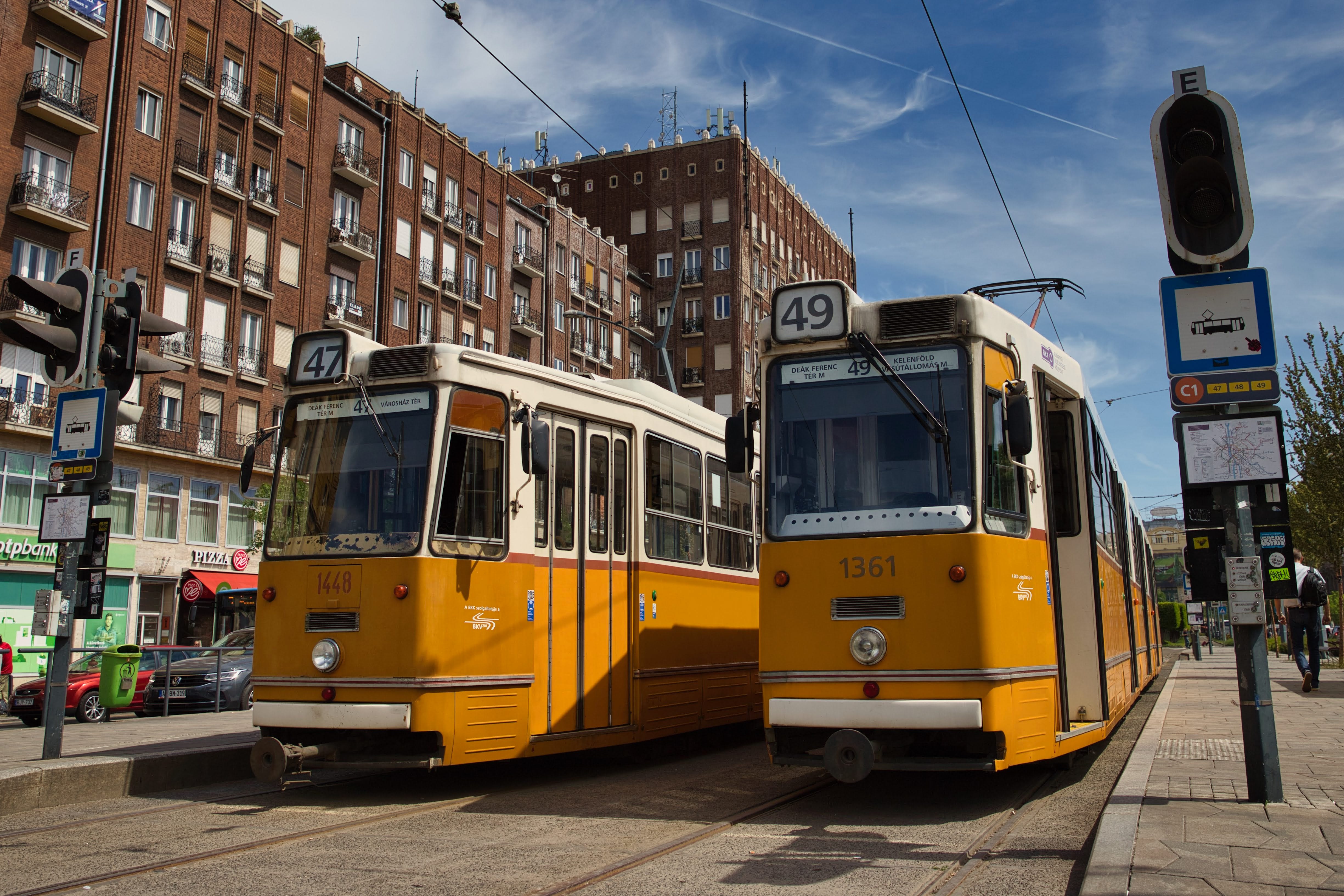
The Budapest metro system has four lines, 52 stations, and roughly 39 km / 24 miles of total track.
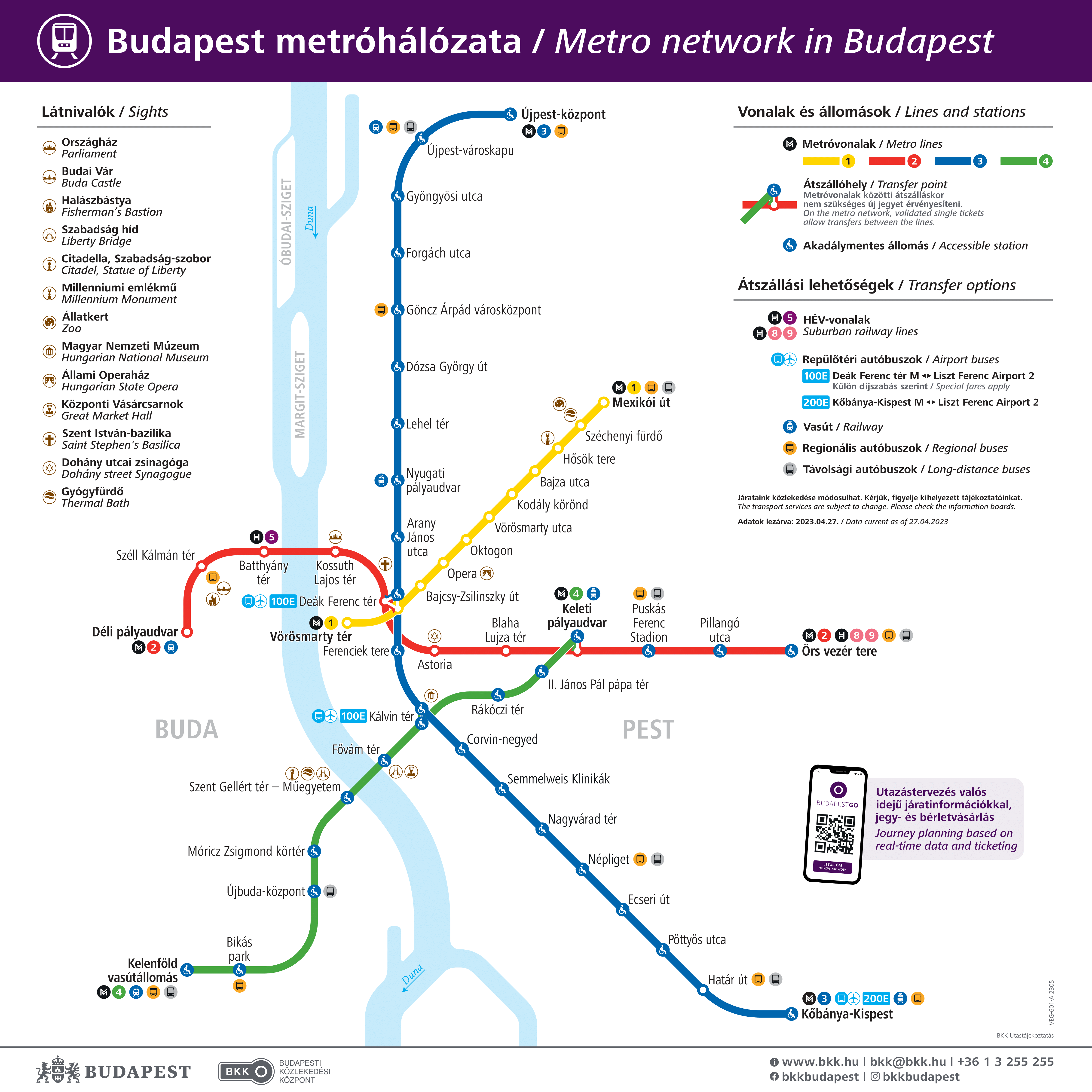
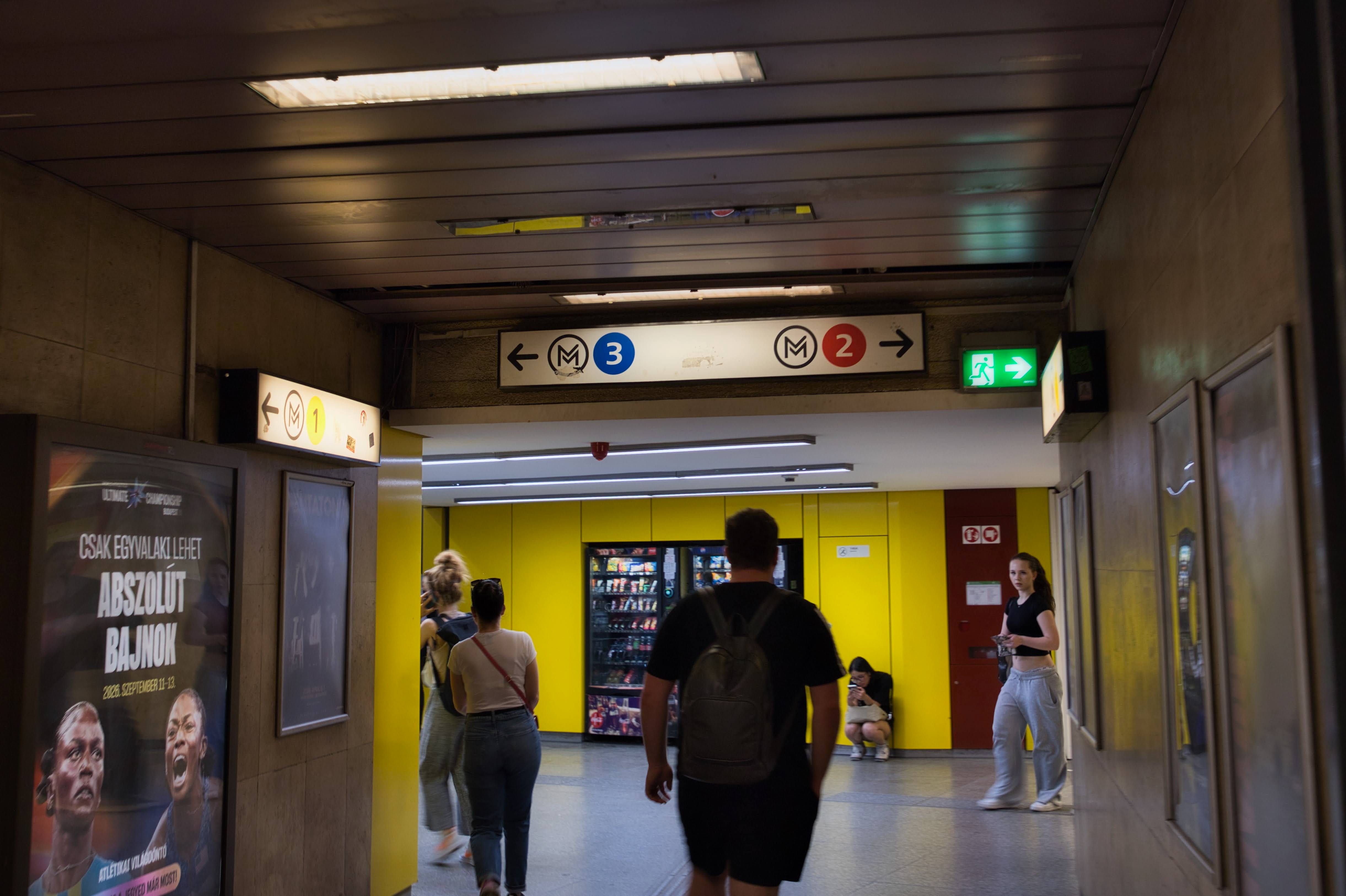
Besides the Line M1, there are Line M2 (Red), Line M3 (Blue), and Line M4 (Green). These are modern high‑capacity heavy rail systems: two built during the Soviet era, and one after Hungary regained independence. While these three lines are not part of the UNESCO World Heritage designation, they are definitely worth exploring.
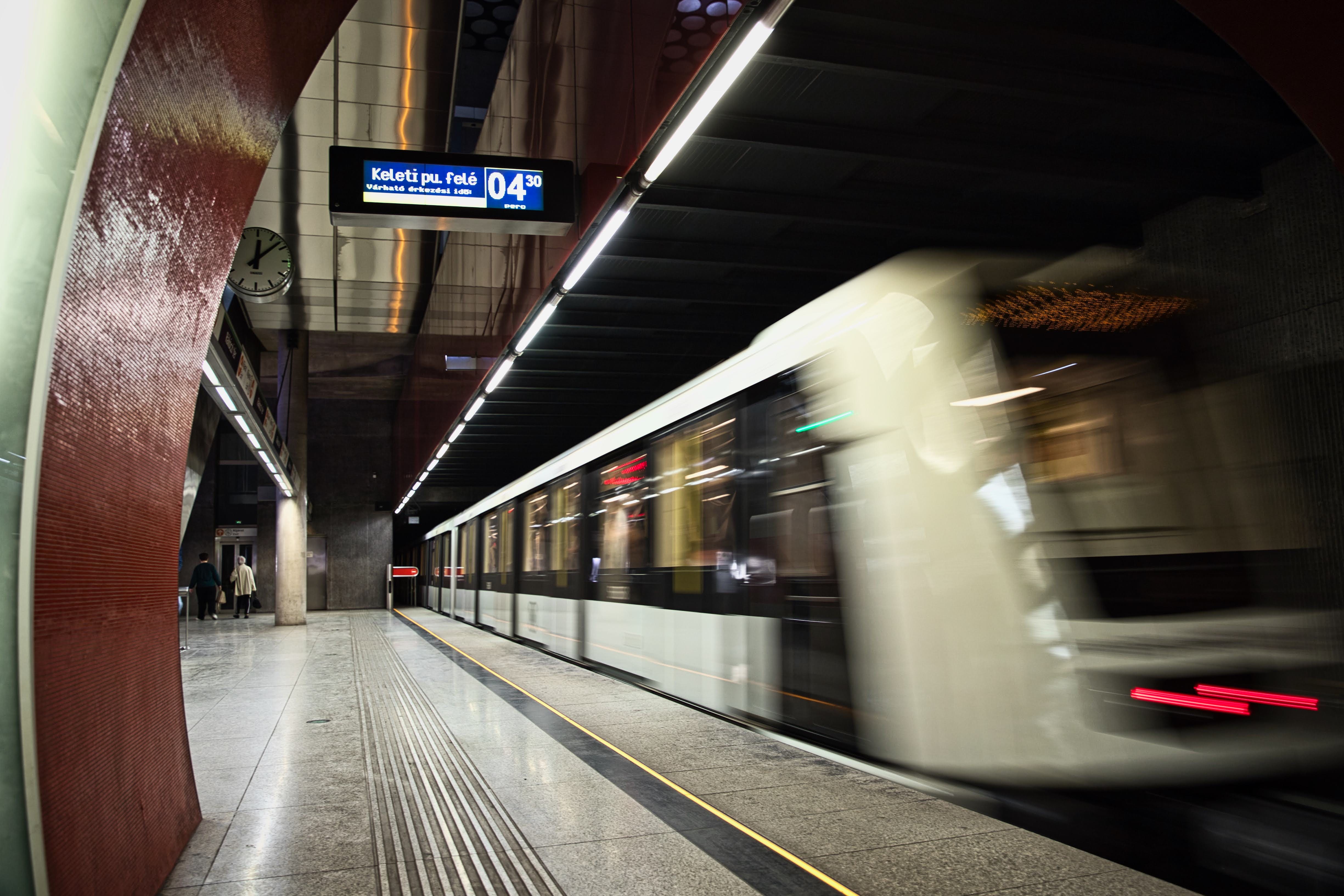
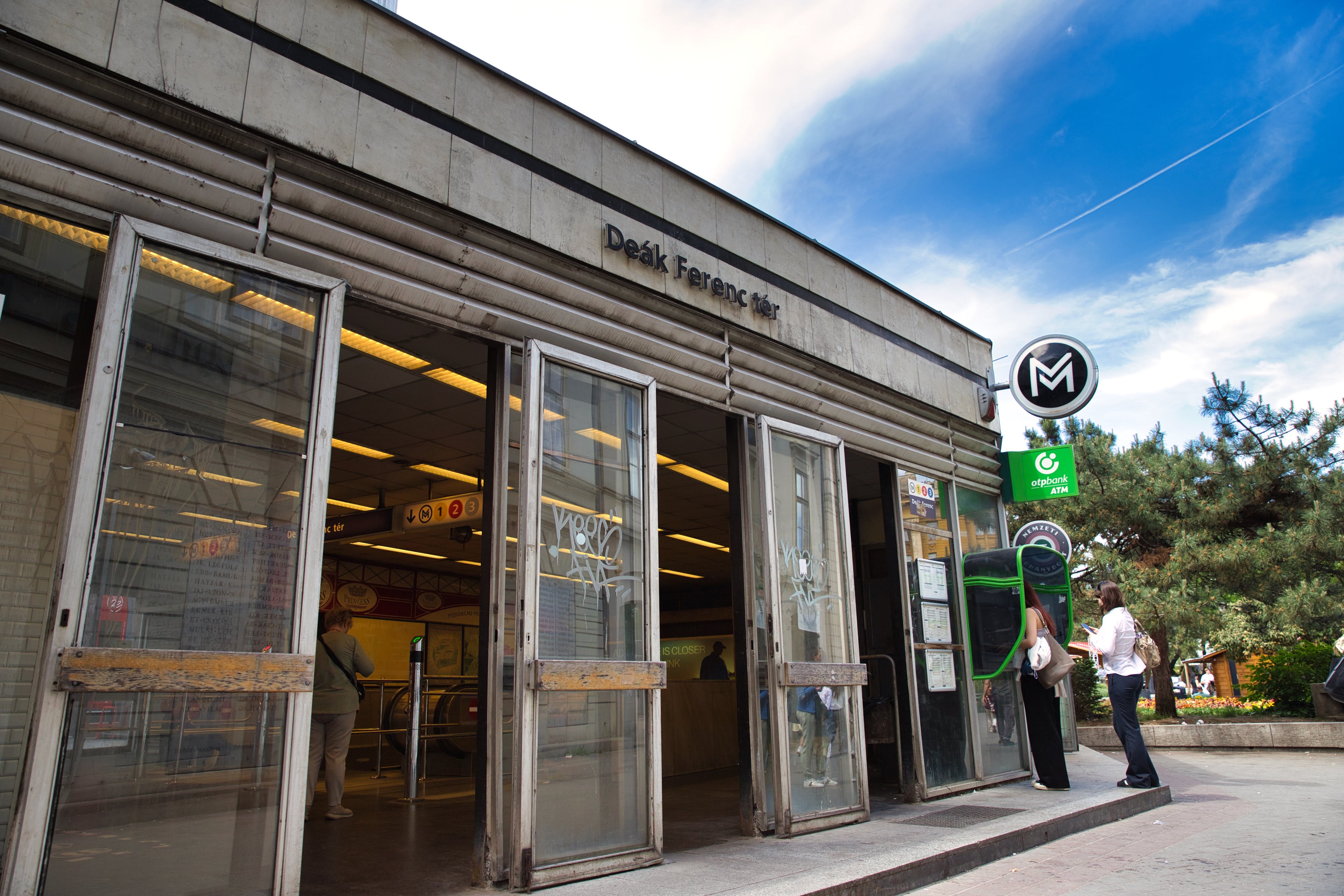
The Budapest metro carries around 1.2 - 1.3 million passengers per day, about half of them on Line M3 alone. Considering the population of the city (1.7 million), it’s a very impressive number.
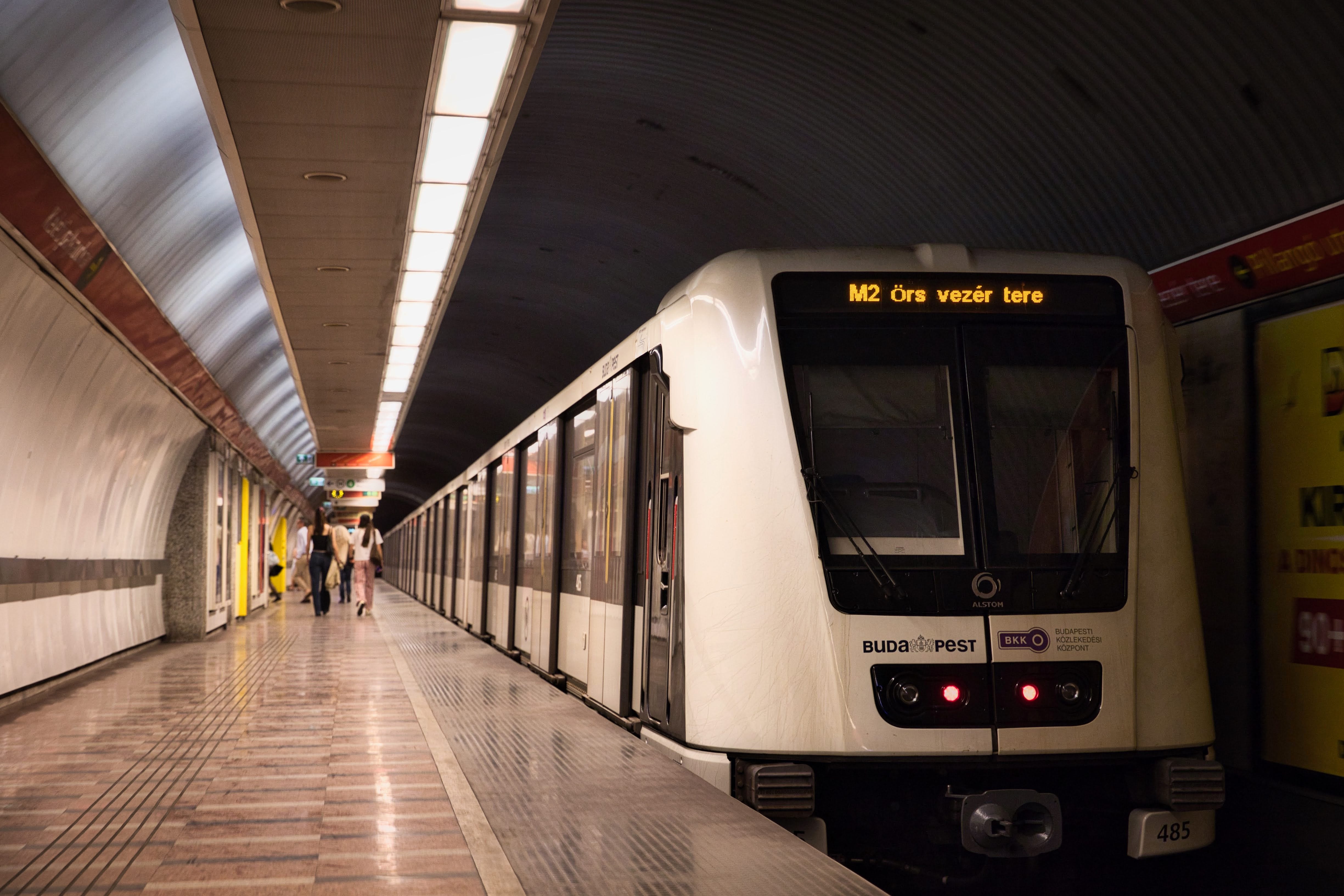
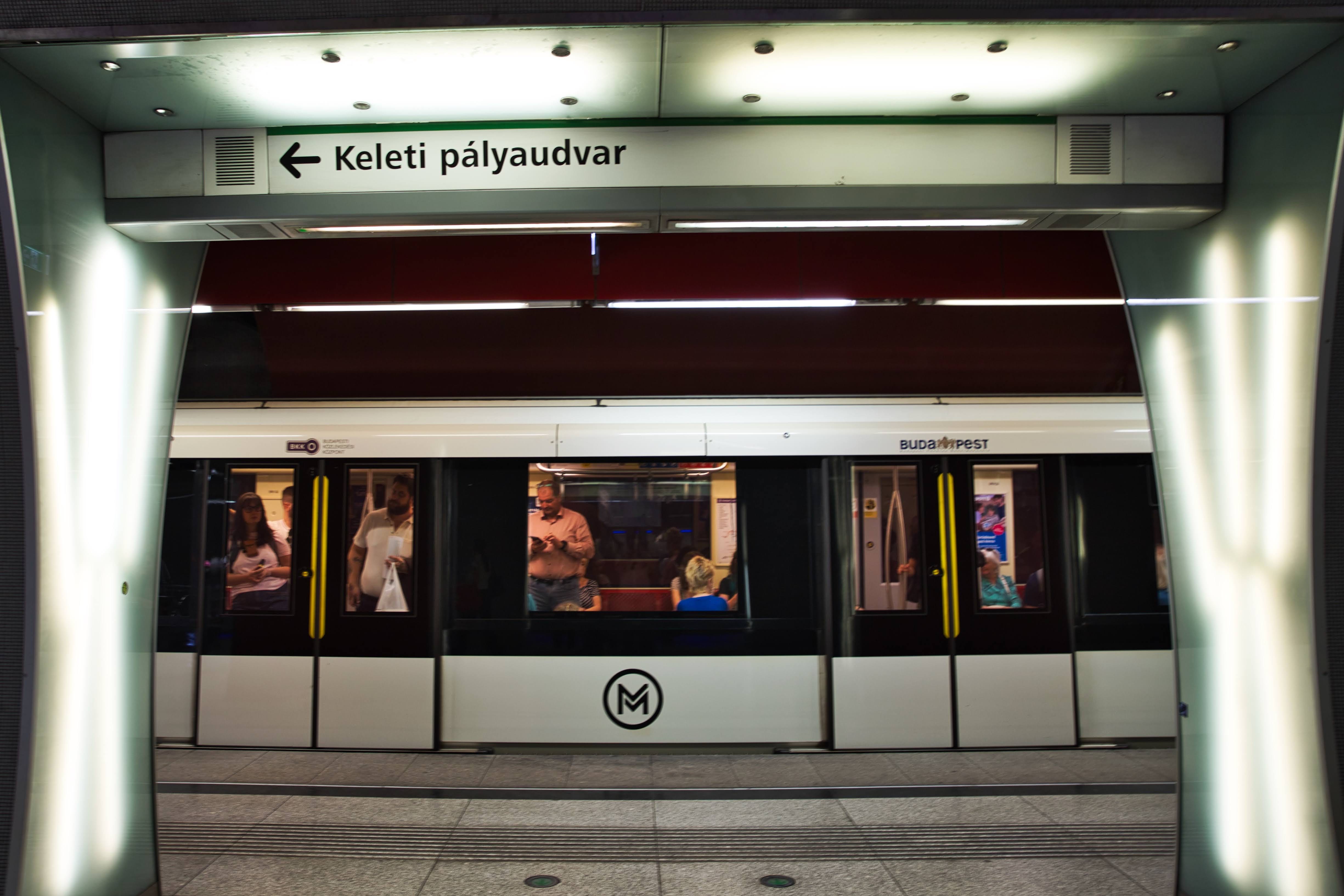
The Budapest Metro is also quite affordable compared to other European cities. A single ride currently costs 500 HUF (around €1.25). It operates on an honour system: you must buy and validate your ticket before entering, and you may be randomly checked by inspectors. As it turns out, we were checked five times in less than two hours, so the honour system that relies on a “trust but verify“ principle really does work!
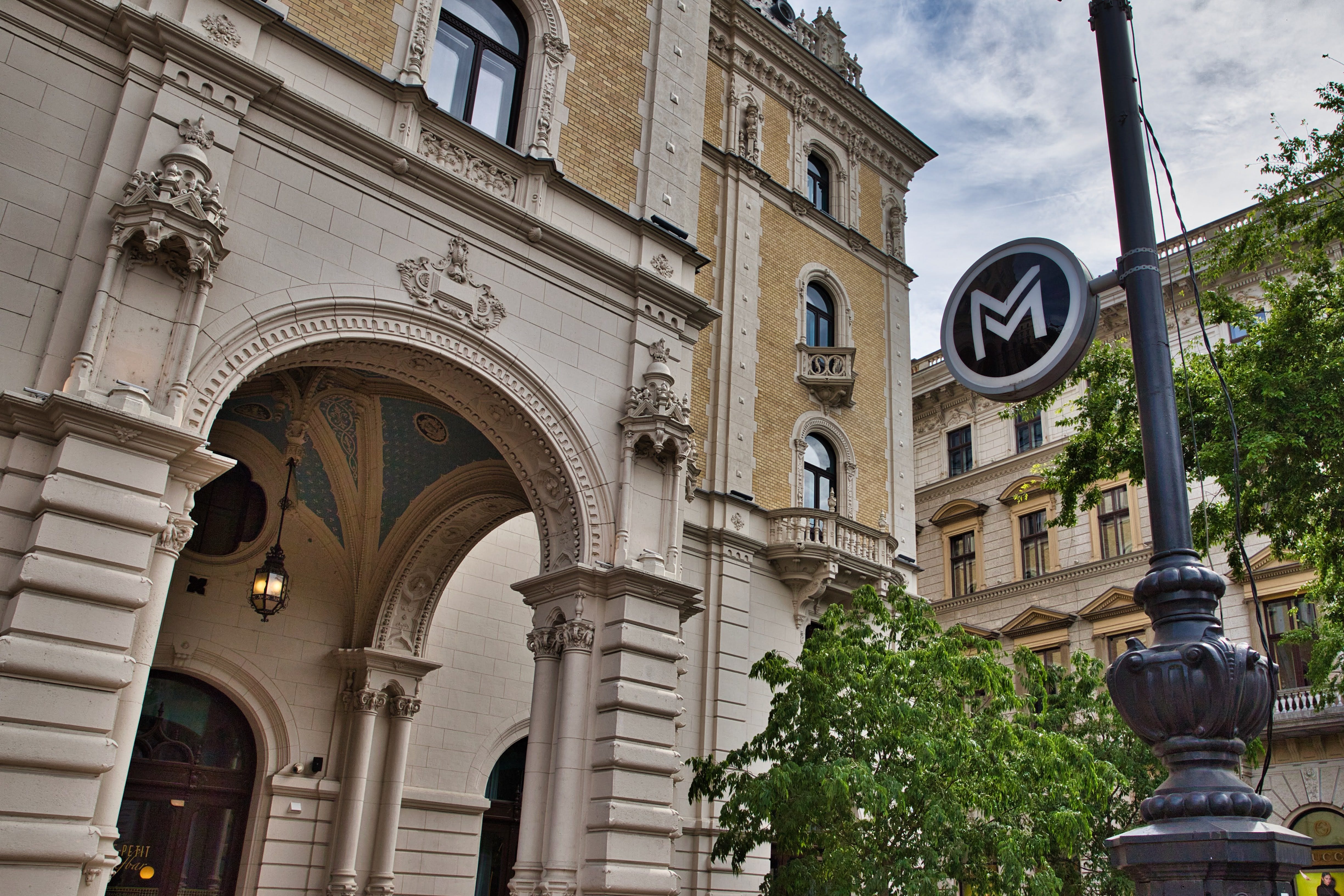
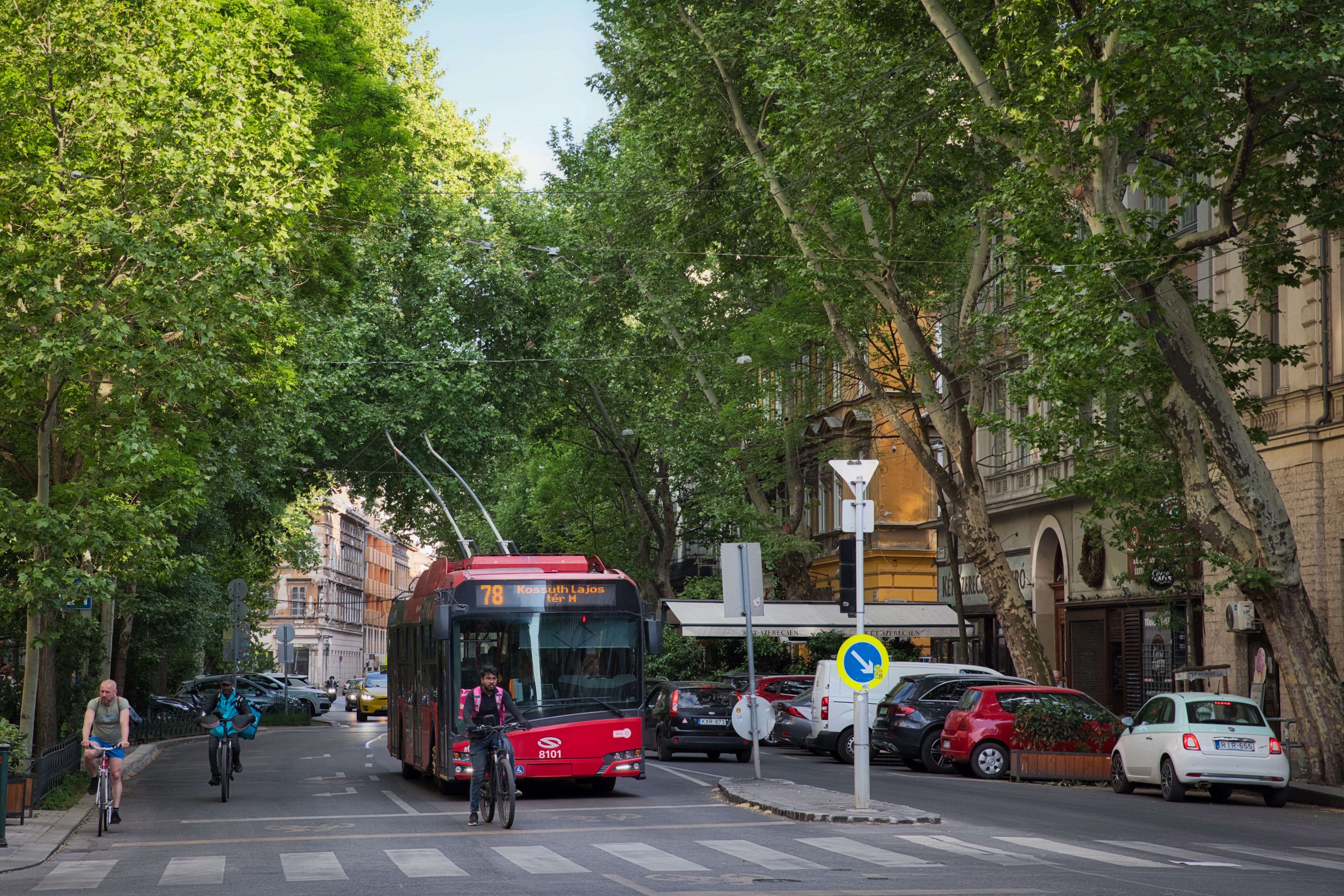
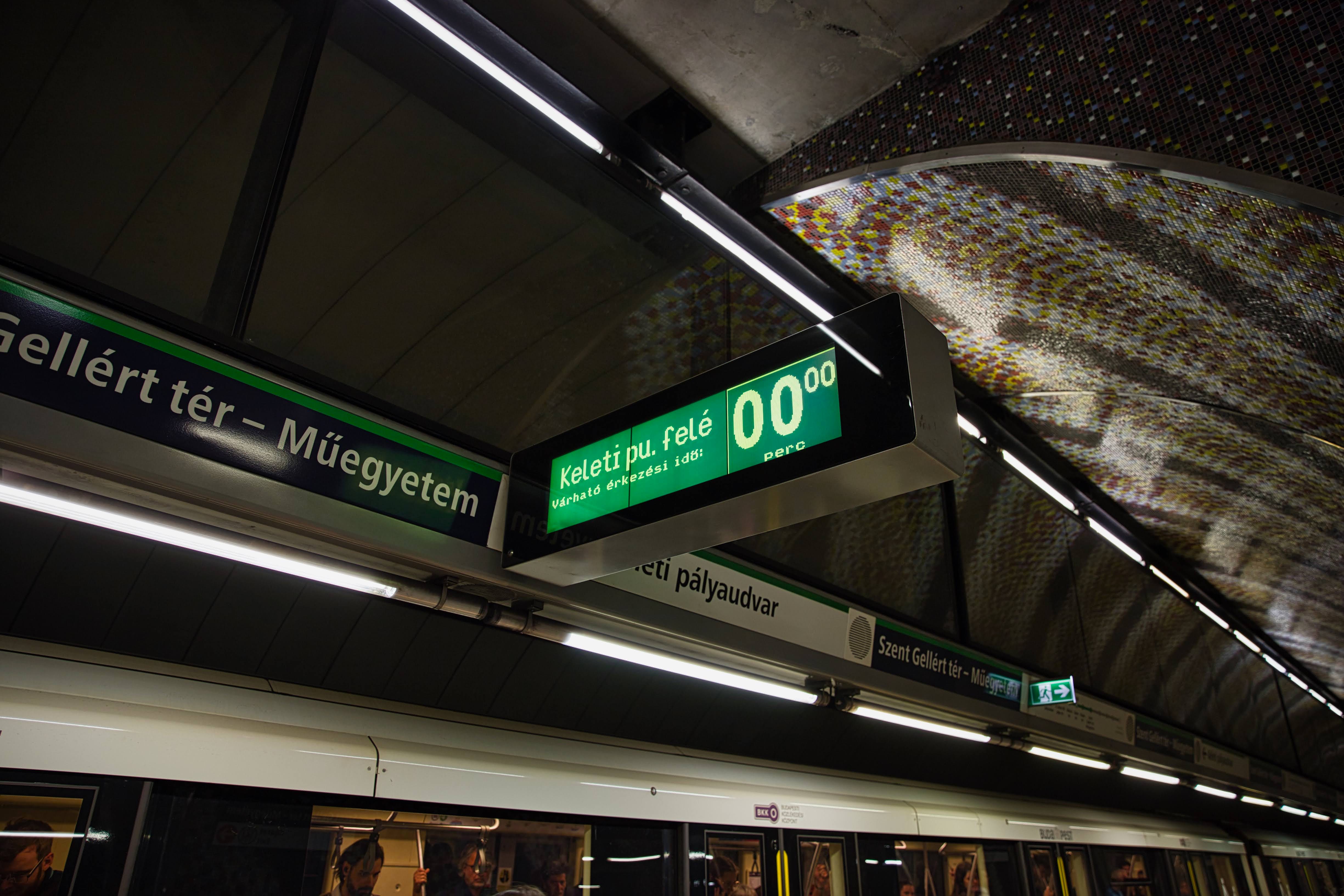
Line M4, built in 2014, is fully driverless. In fact, it’s one of the first automated metro lines in Central and Eastern Europe. The line has not yet reached its full potential: it was designed for 380-400 thousand passengers per day, but currently carries fewer than 200 thousand. Unfortunately, there are no active extensions under construction right now, despite long‑standing plans.
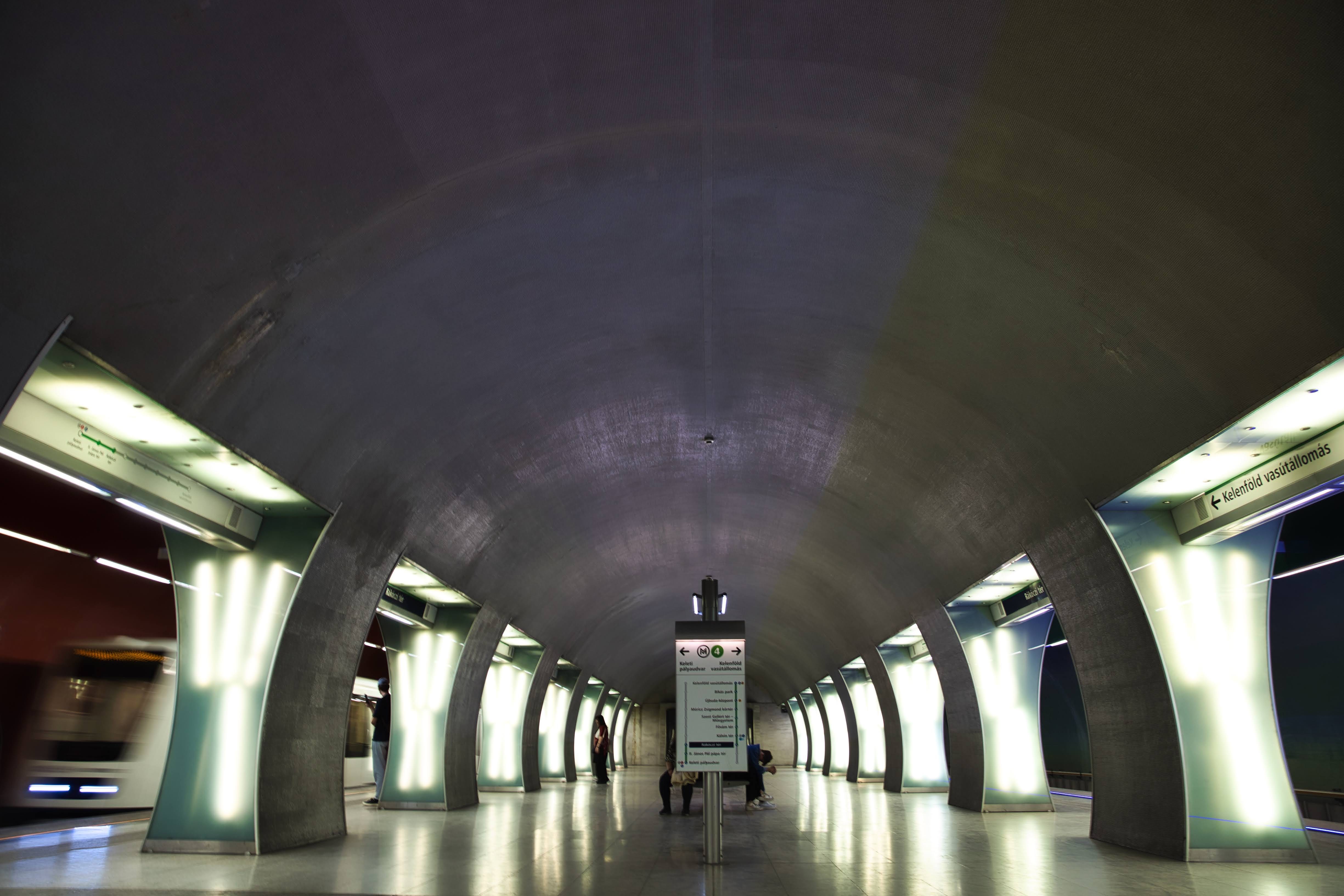
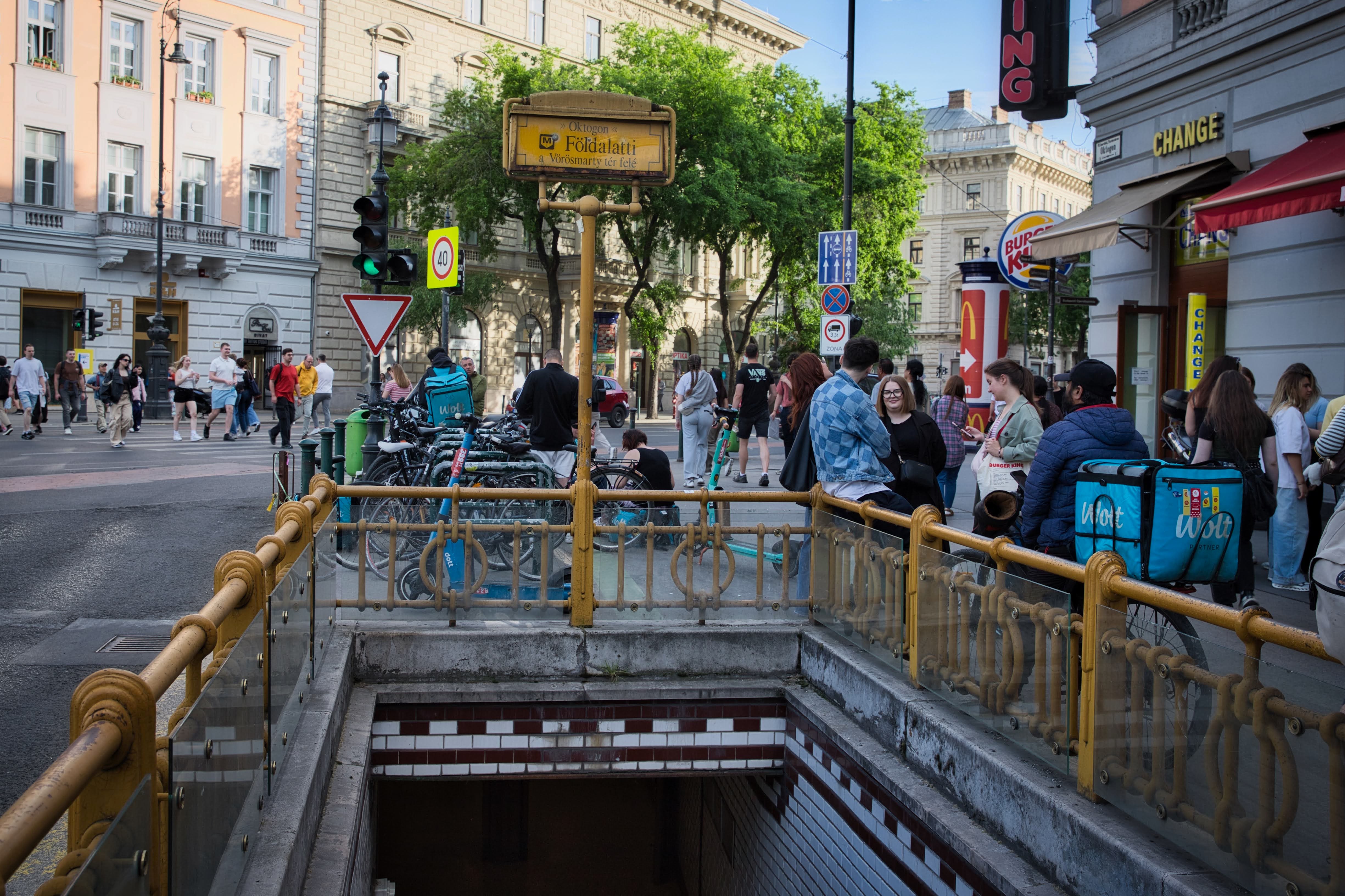
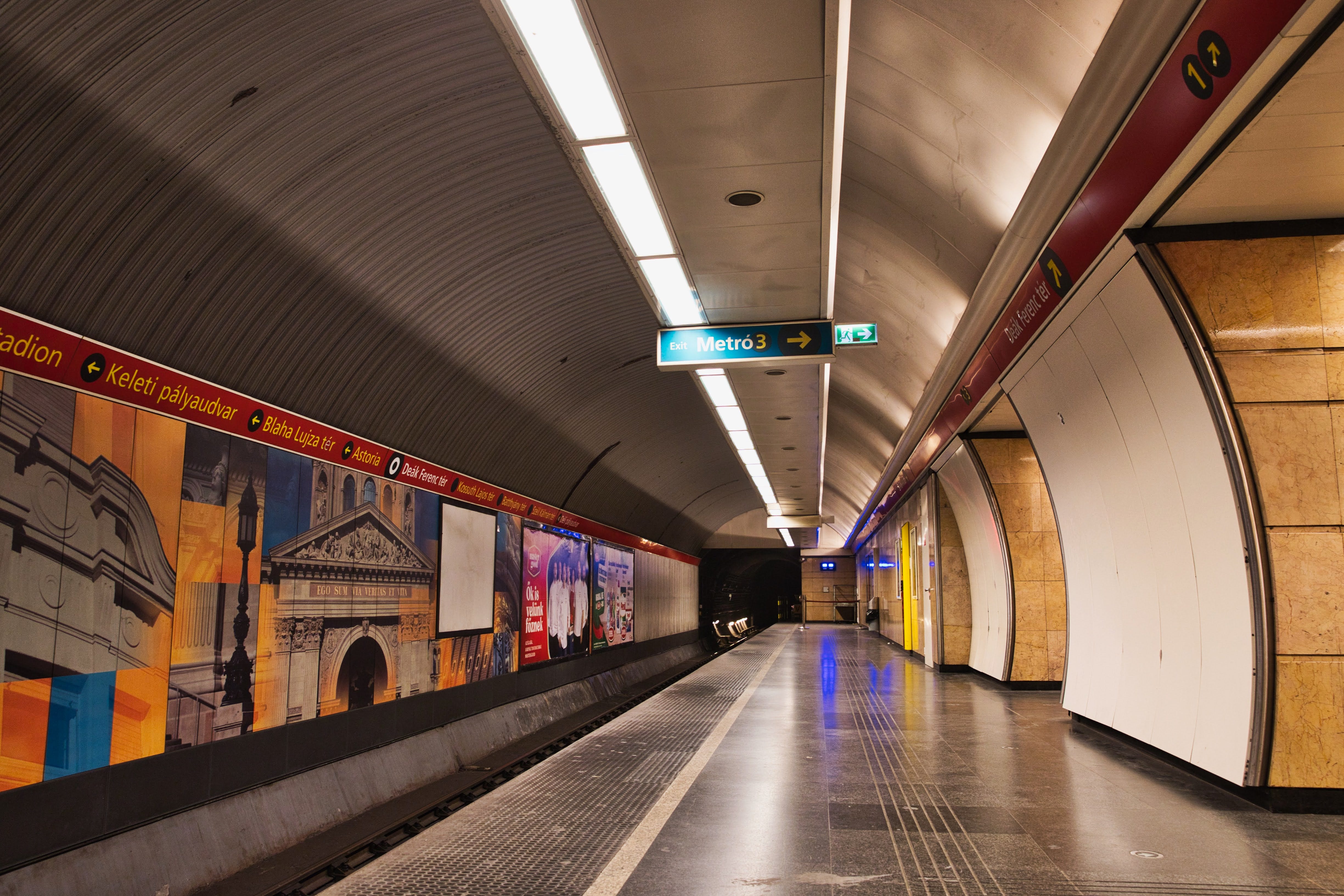
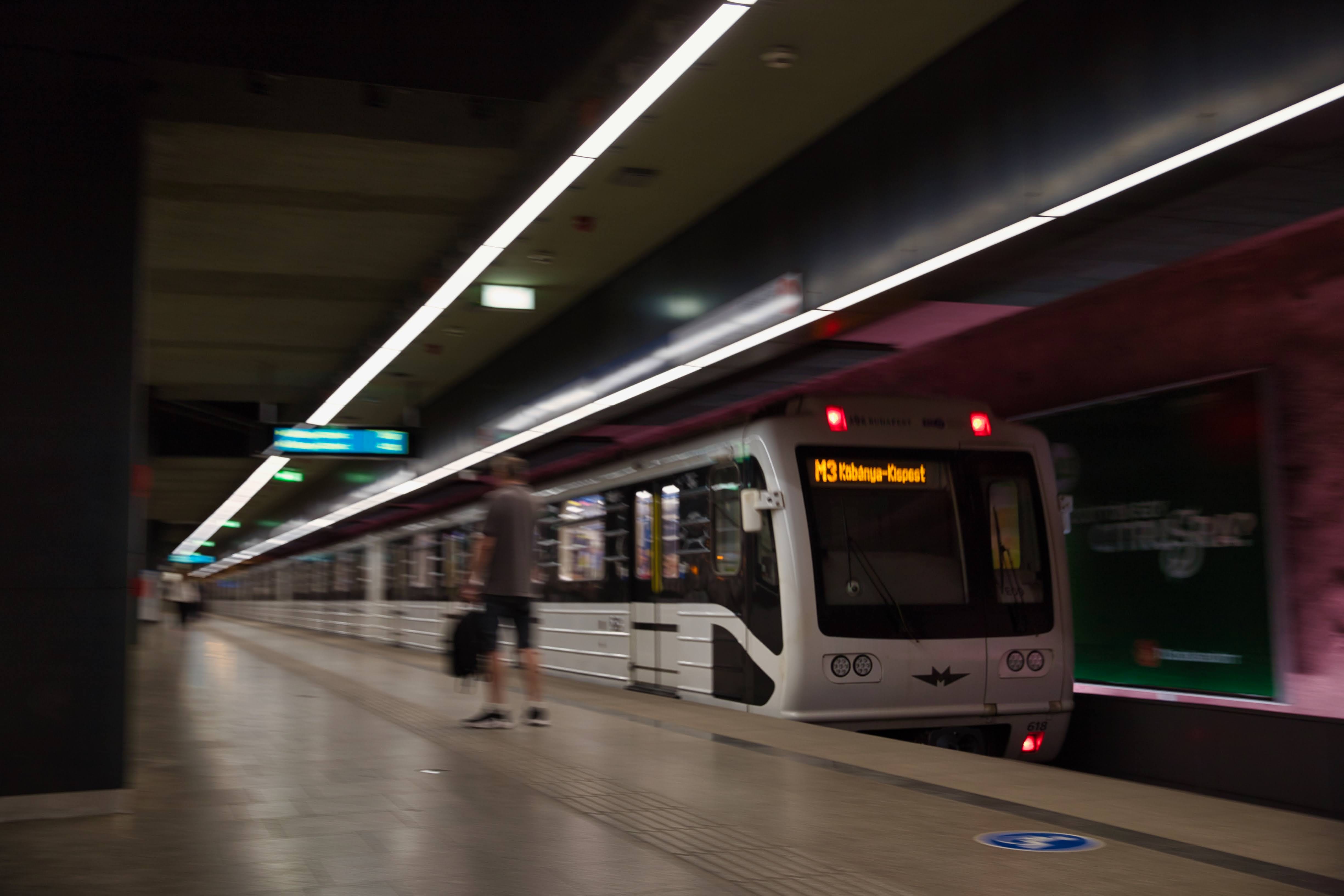
Lines M2 and M4 use modern Alstom Metropolis trains, while M3 still relies on Soviet‑era rolling stock.
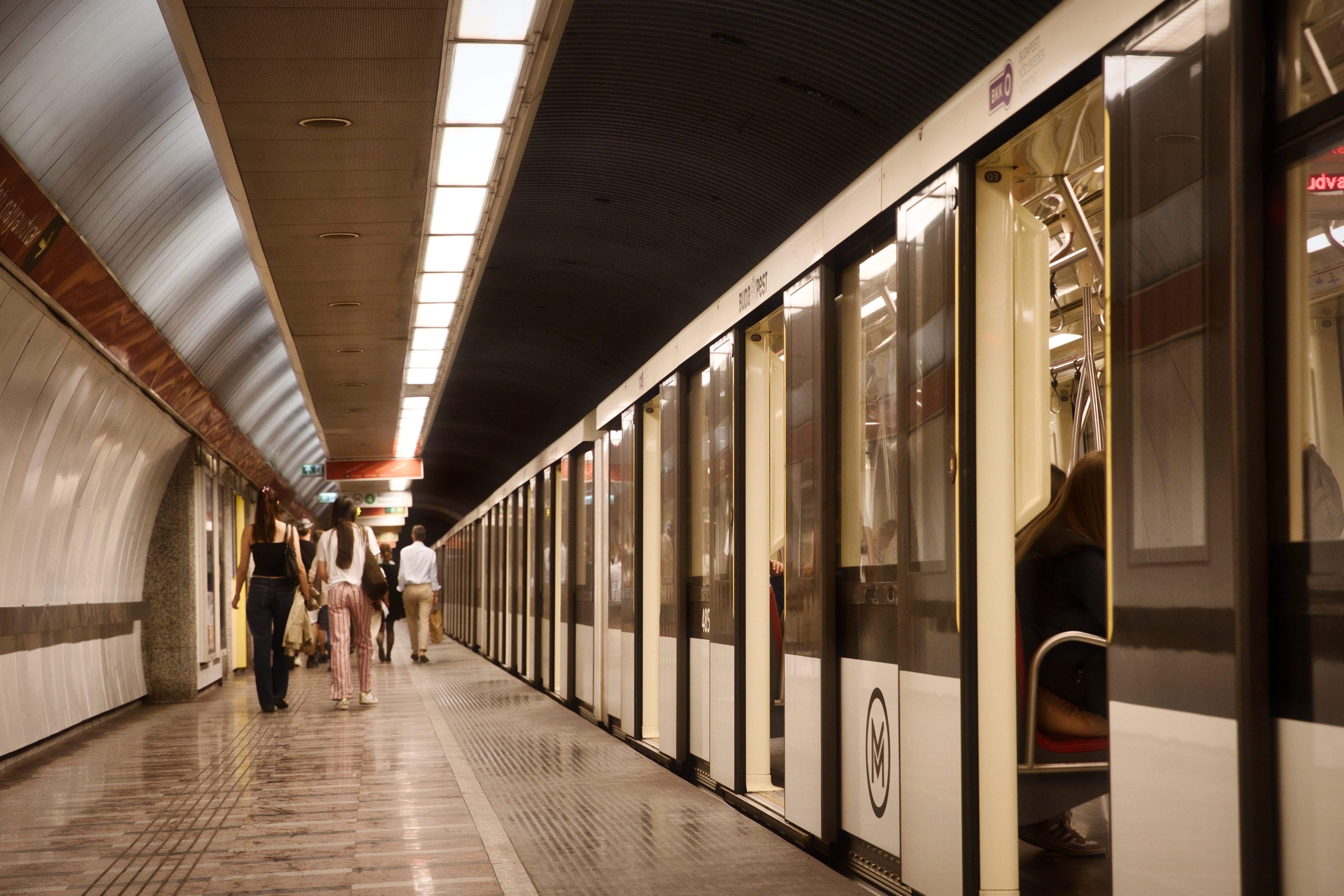
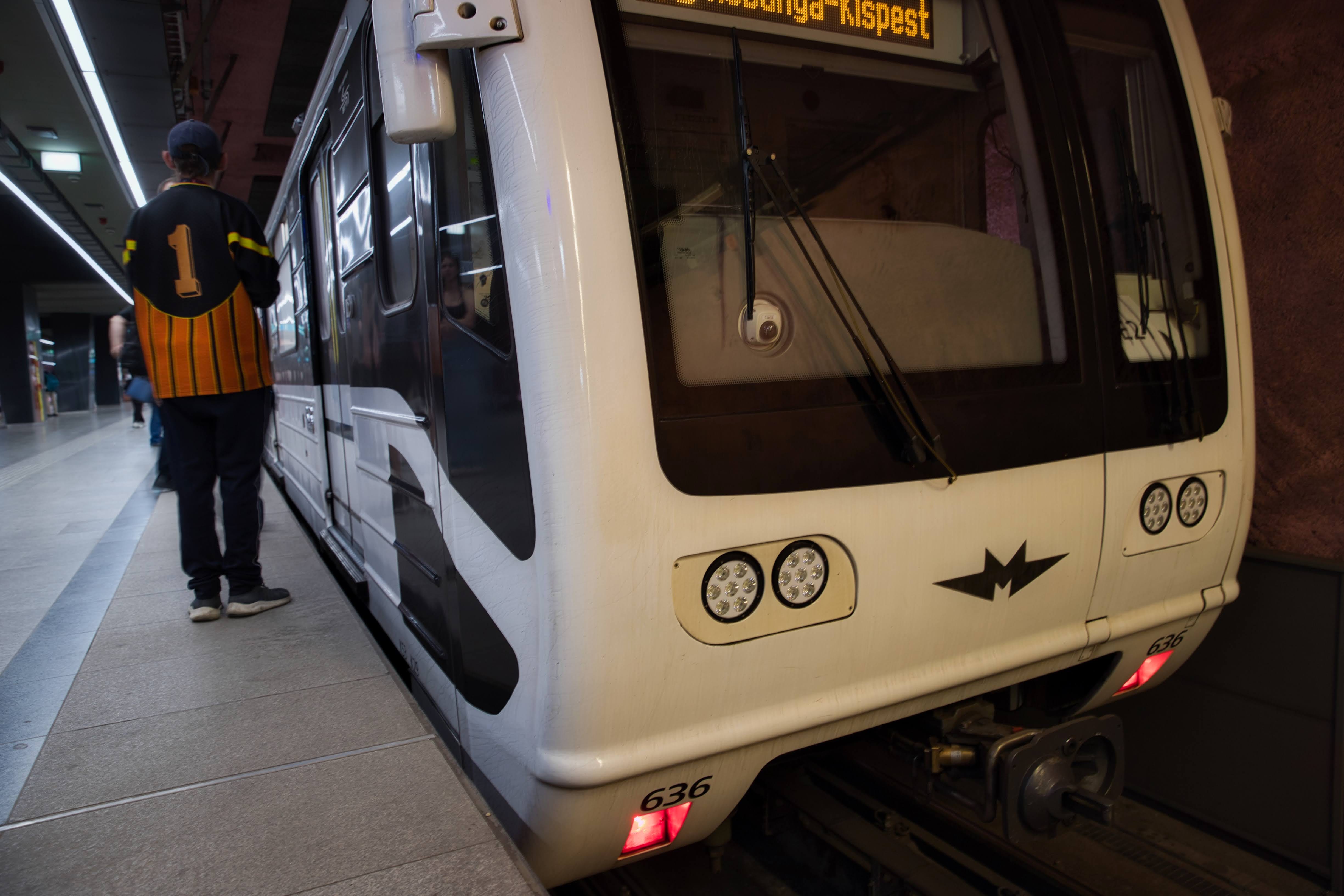
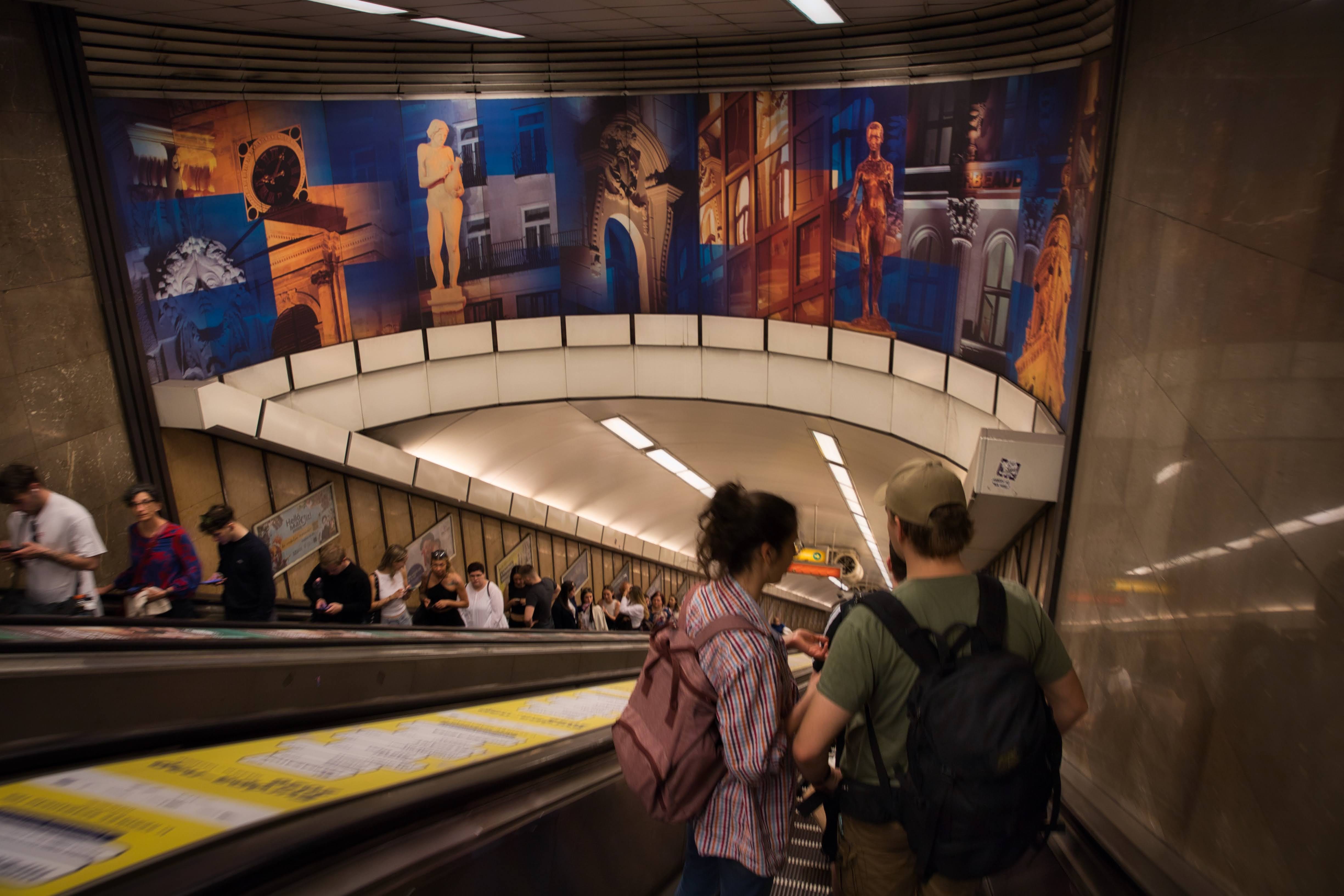
I would also like to highlight the station design and aesthetics. Some people say you can easily skip Line M2 because it’s boring and unimpressive. Perhaps - but for someone like me who grew up in Kyiv, Ukraine, the stations on this line feel very familiar, reminiscent of my home city’s metro: nothing fancy, but clean and functional.
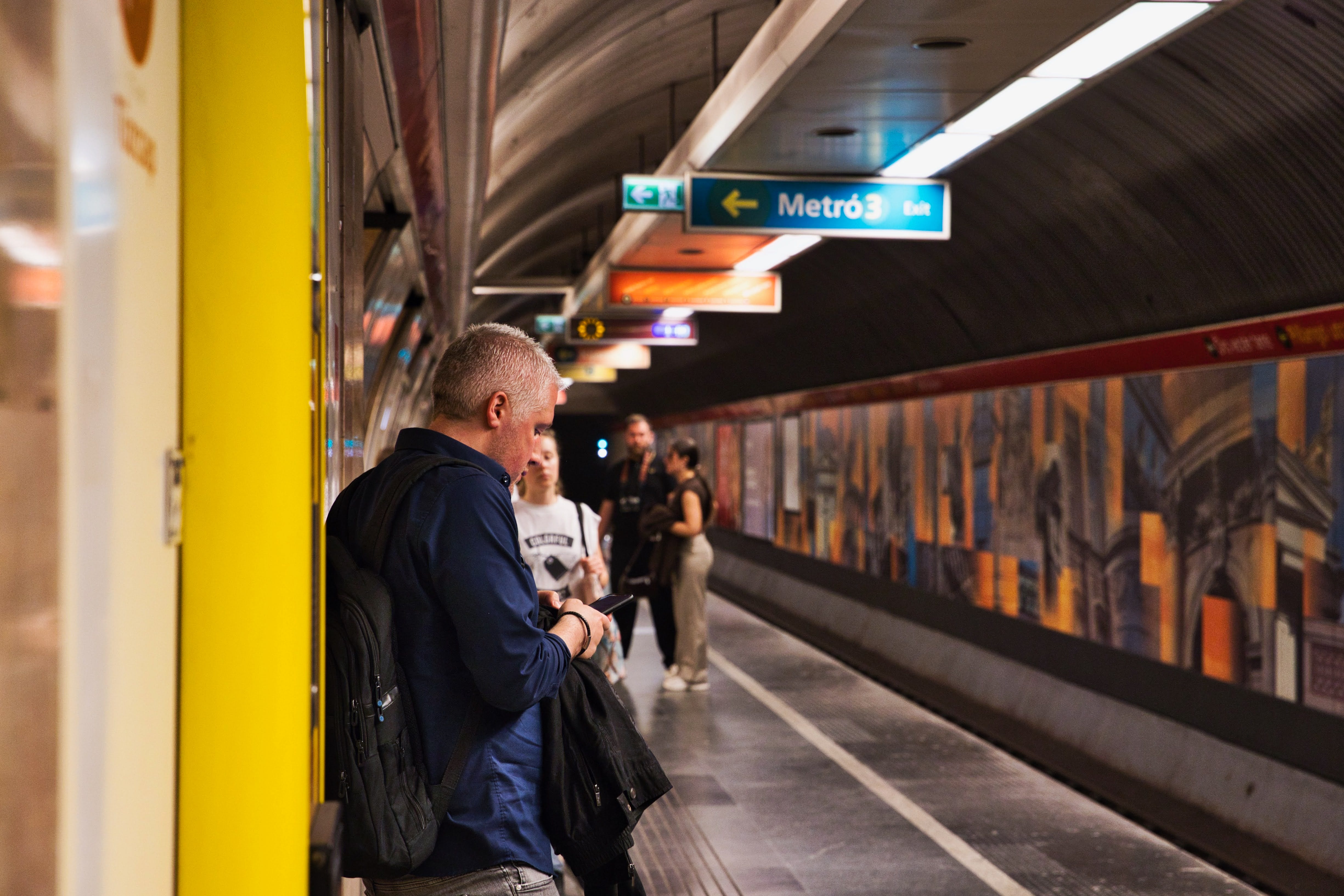
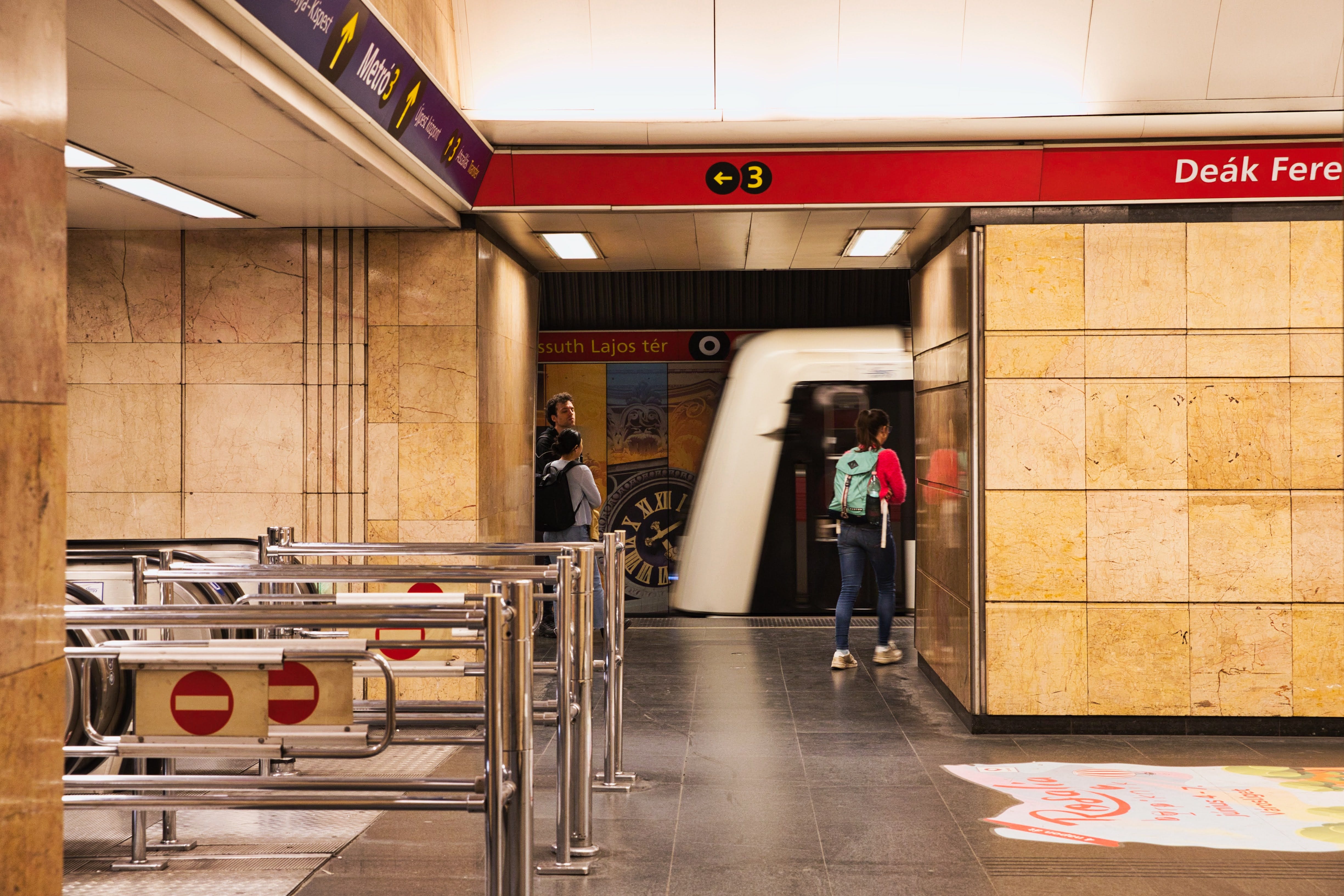
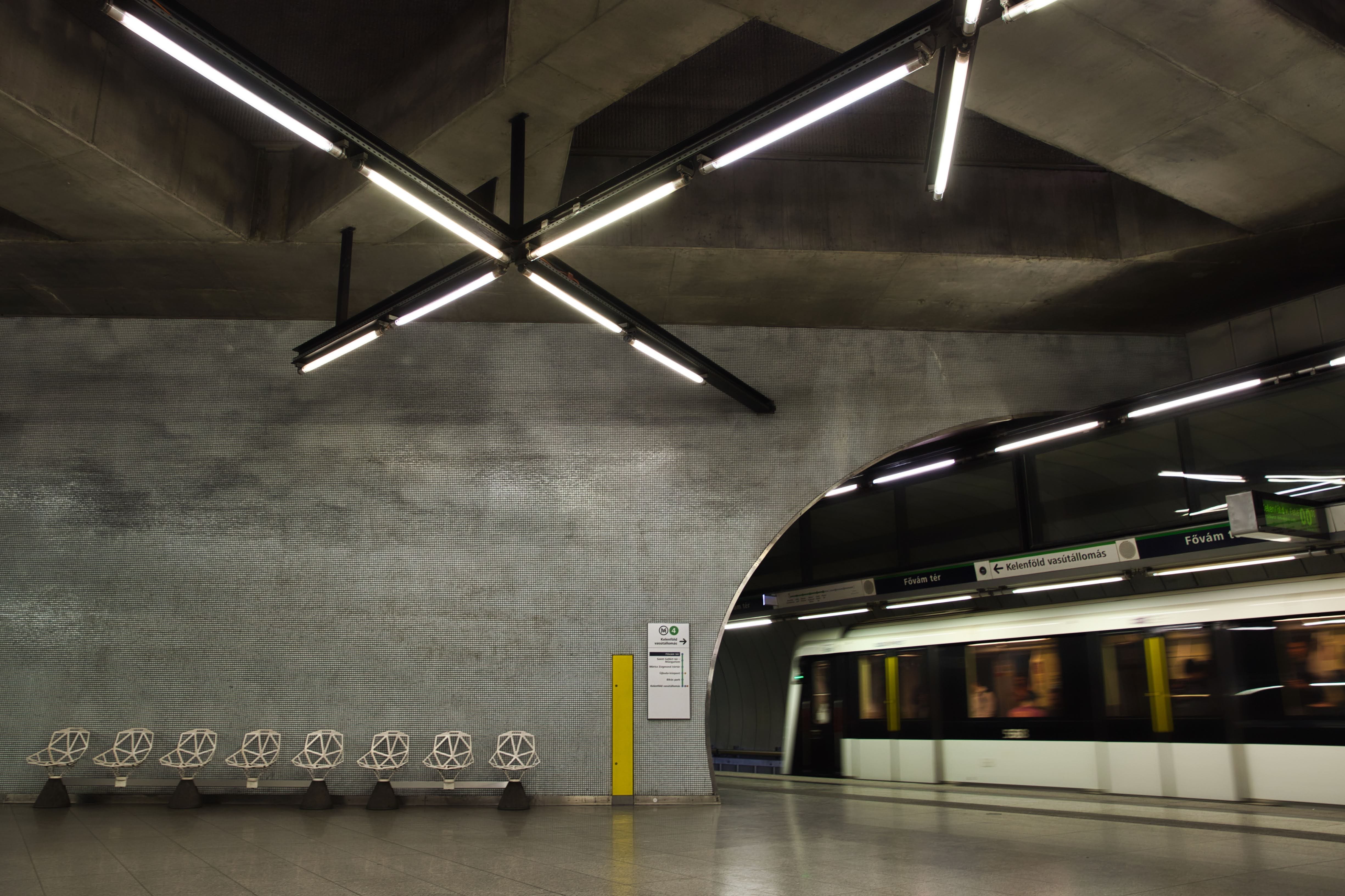
Besides Line M1, Line M4 and parts of Line M3 are where you’ll want to spend most of your time if you’re serious about metro architecture and design.
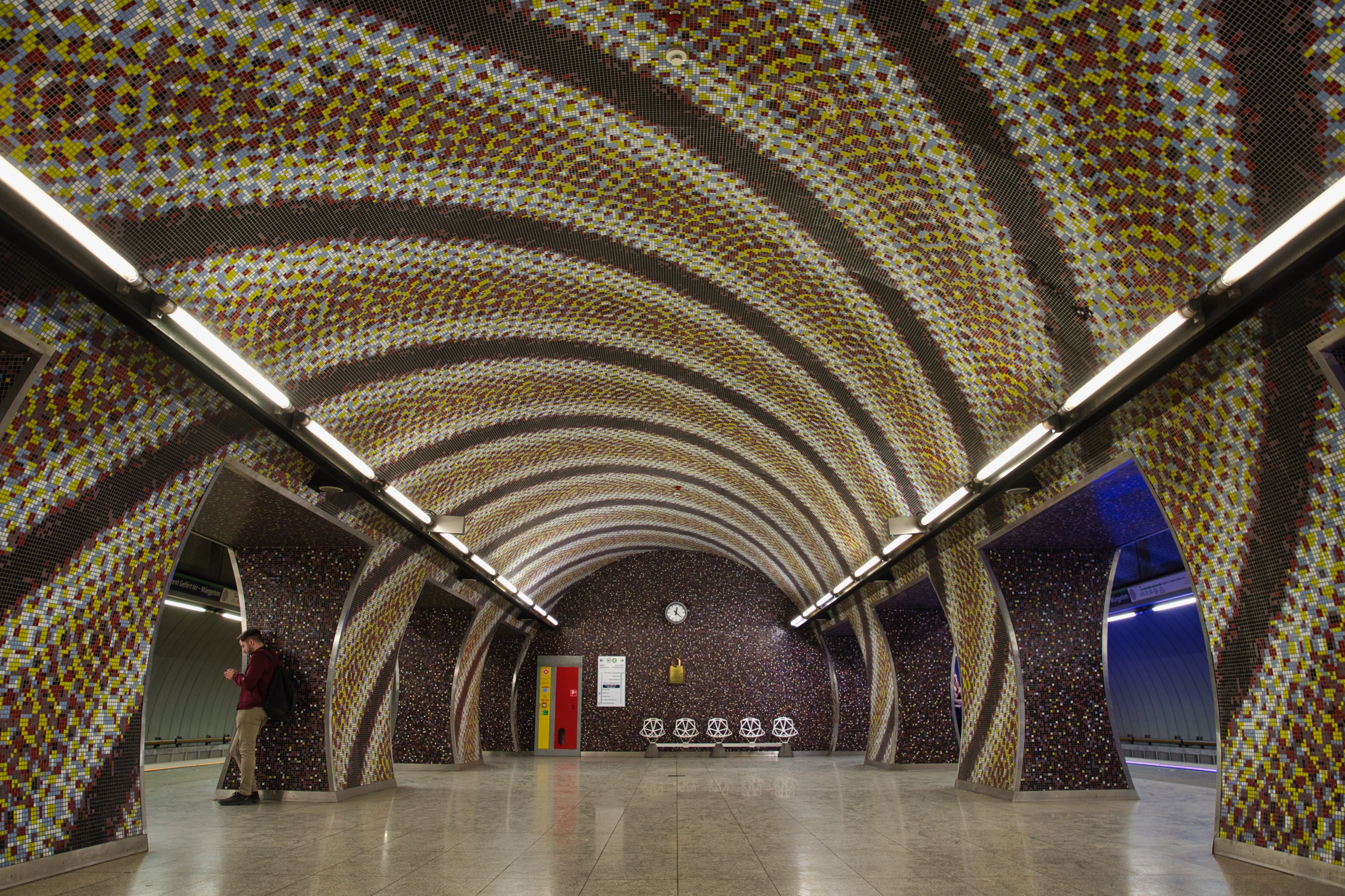
My absolute favourite station is Szent Gellért tér on Line M4, opened in 2014. Its psychedelic mosaic interior, designed by artist Tamás Komoróczky, is simply mesmerizing. Thousands of wave-like tiles create a shimmering effect similar to sunlight reflecting on water. The station has won international architecture awards and is often cited among the most beautiful metro stations in the world. It is also the deepest station on the line.
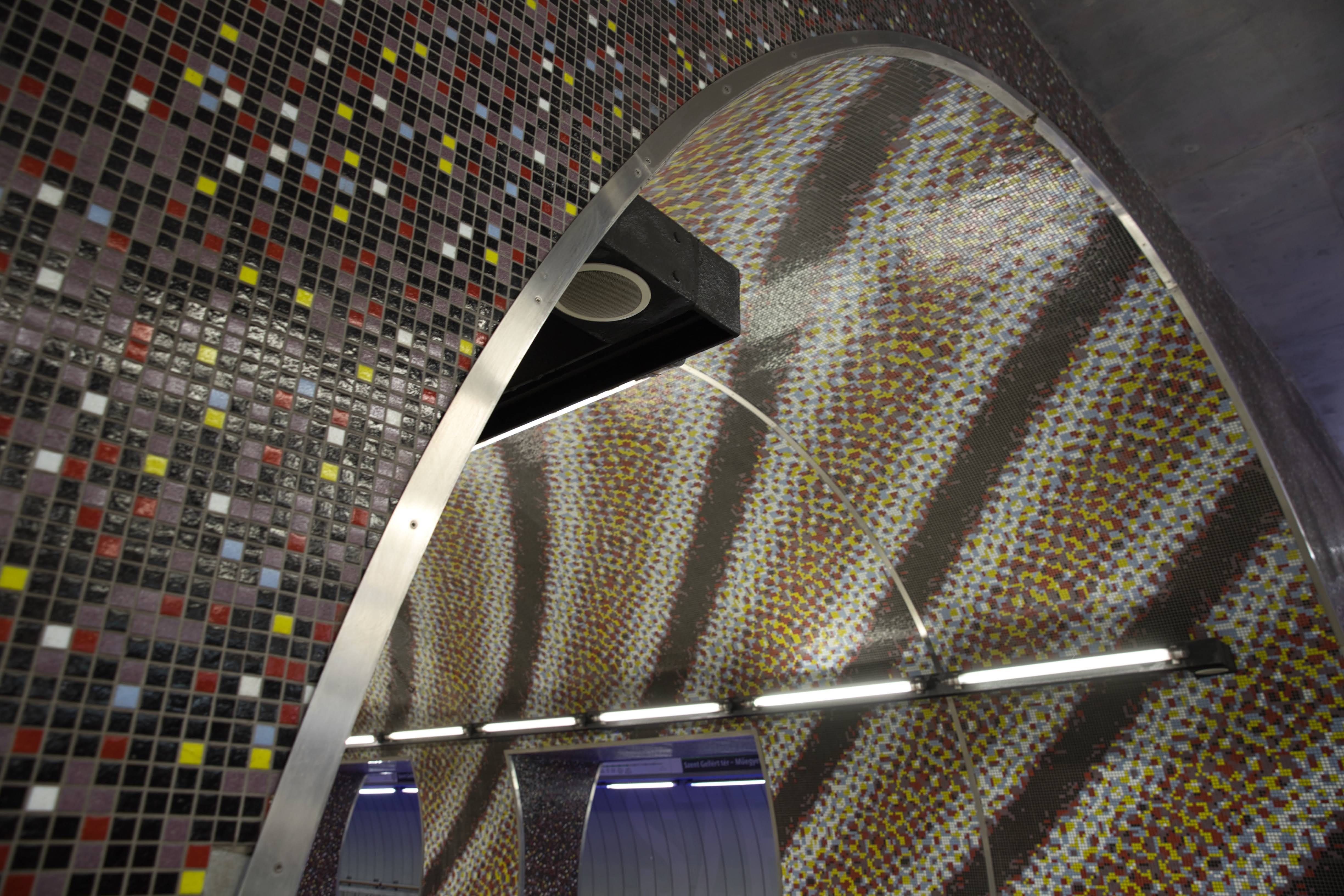
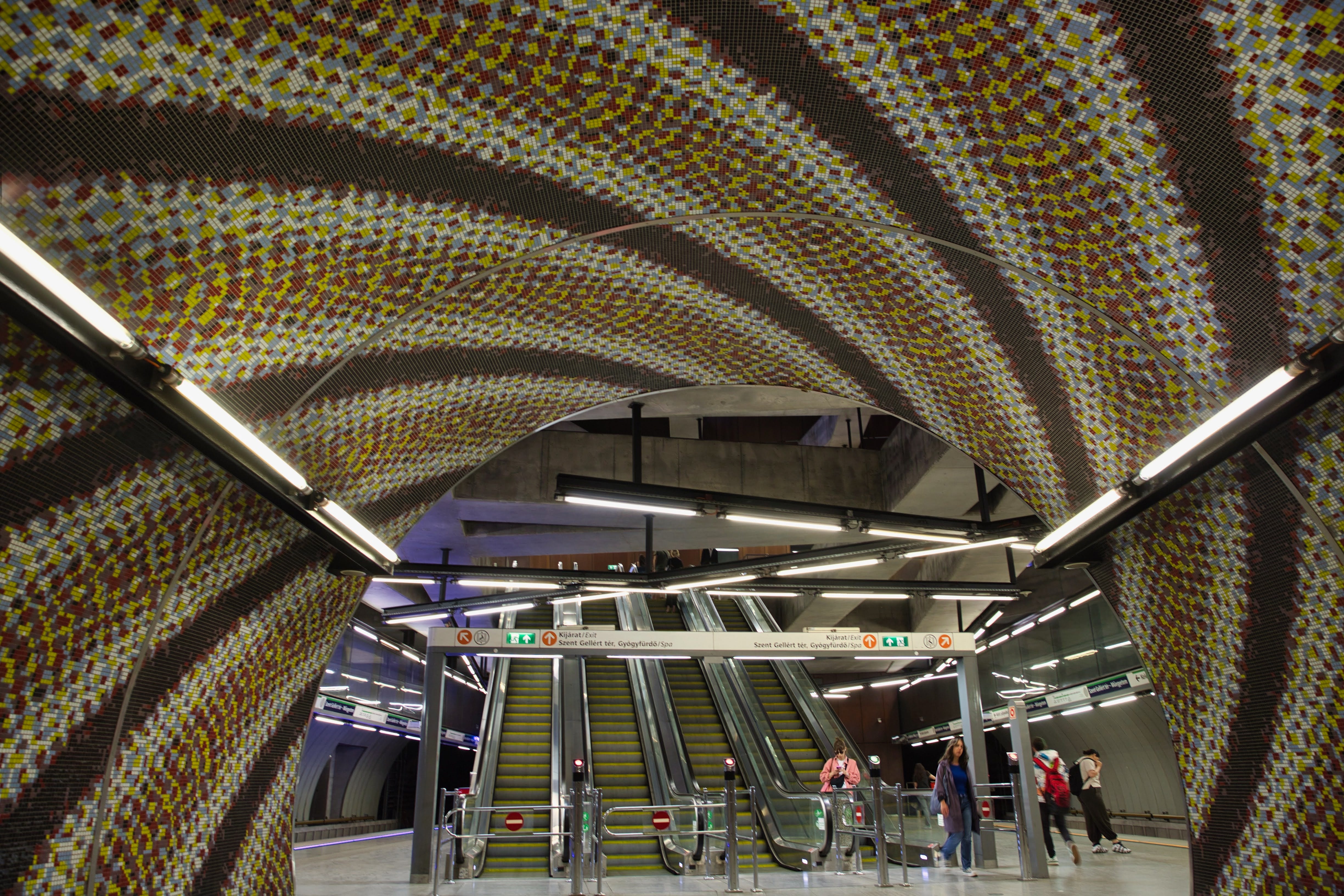
Another standout is Rákóczi tér on Line M4. Its industrial-modern style with dramatic escalators and air vents give it a distinctly “cyberpunk” vibe.
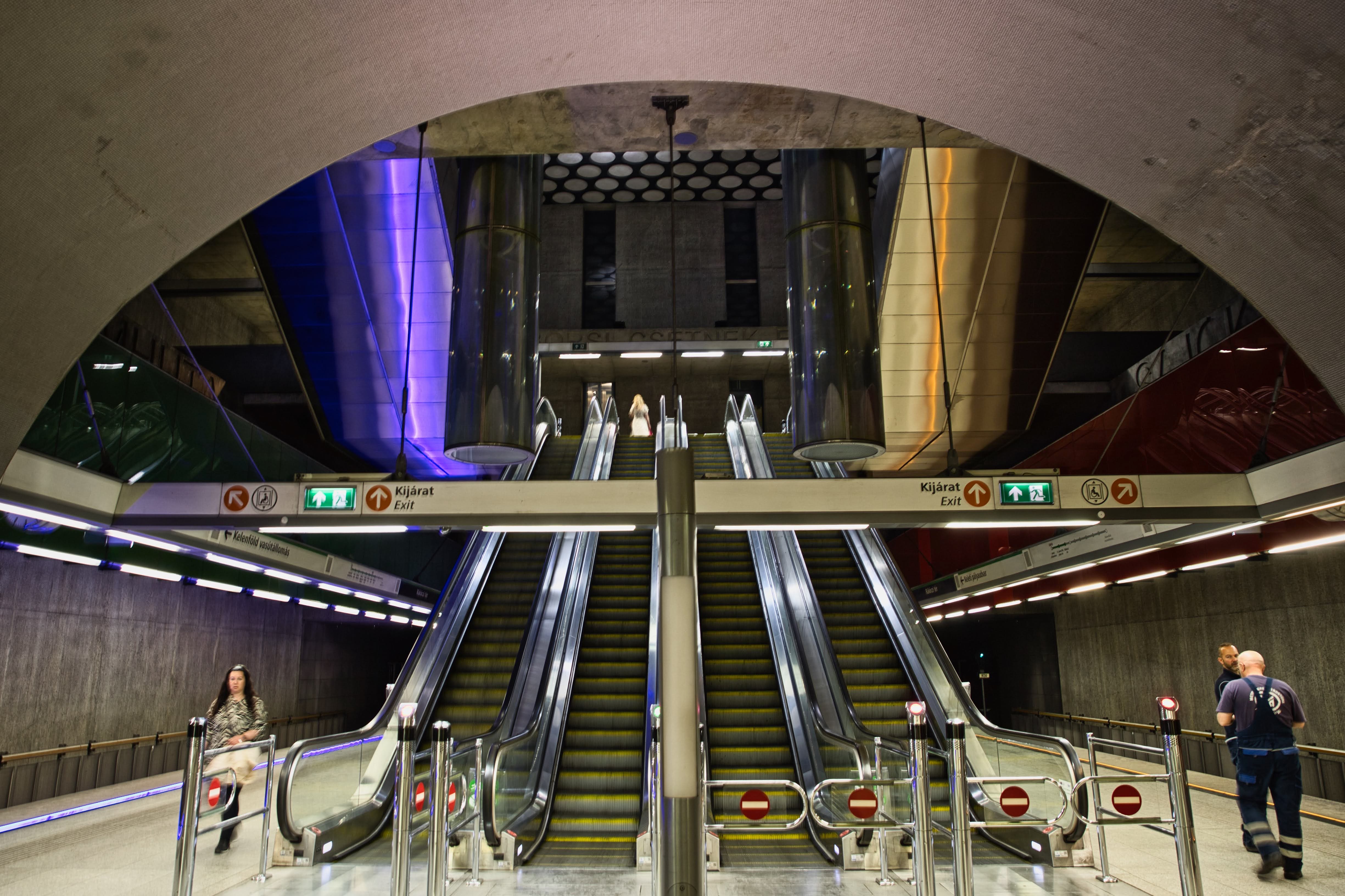
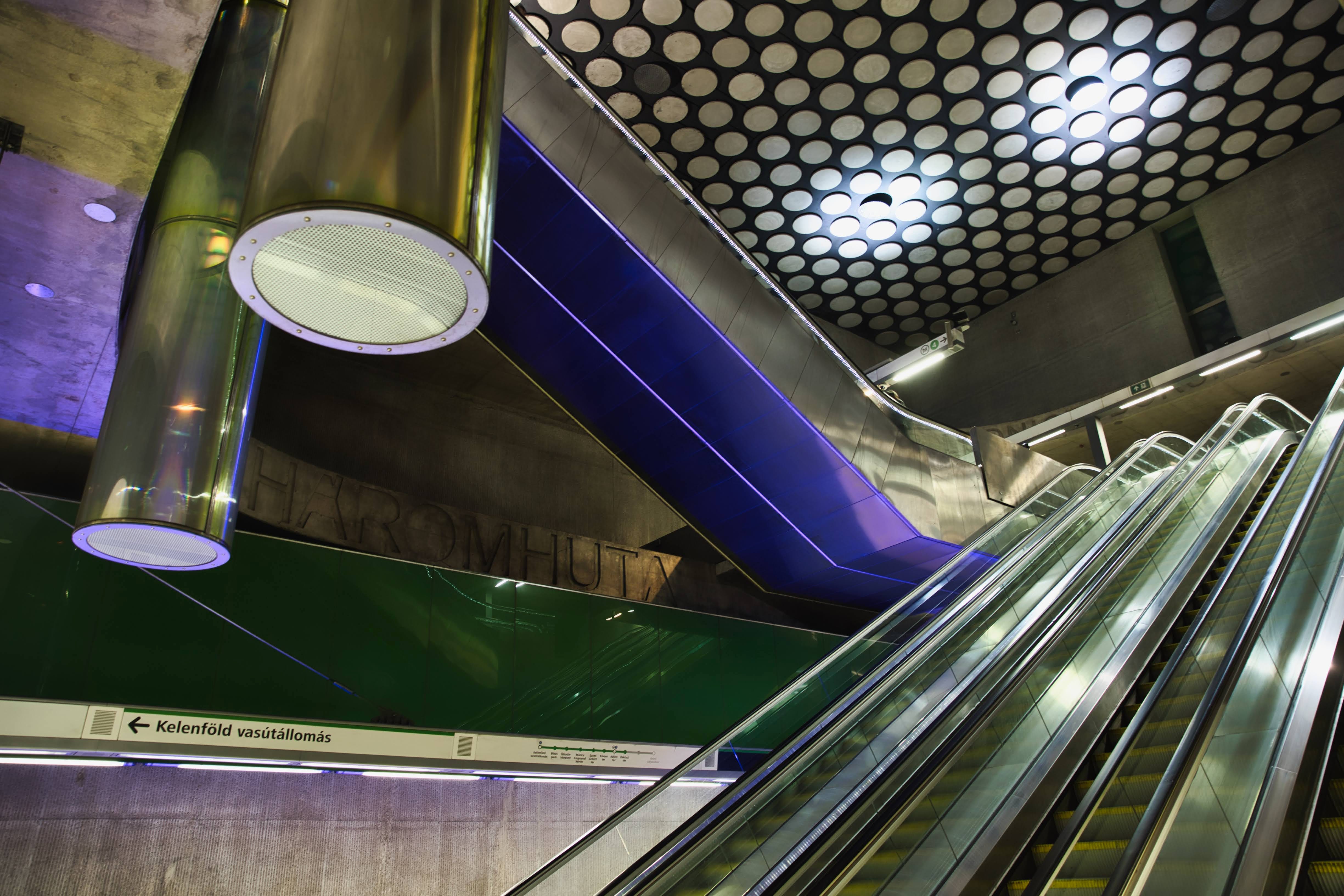
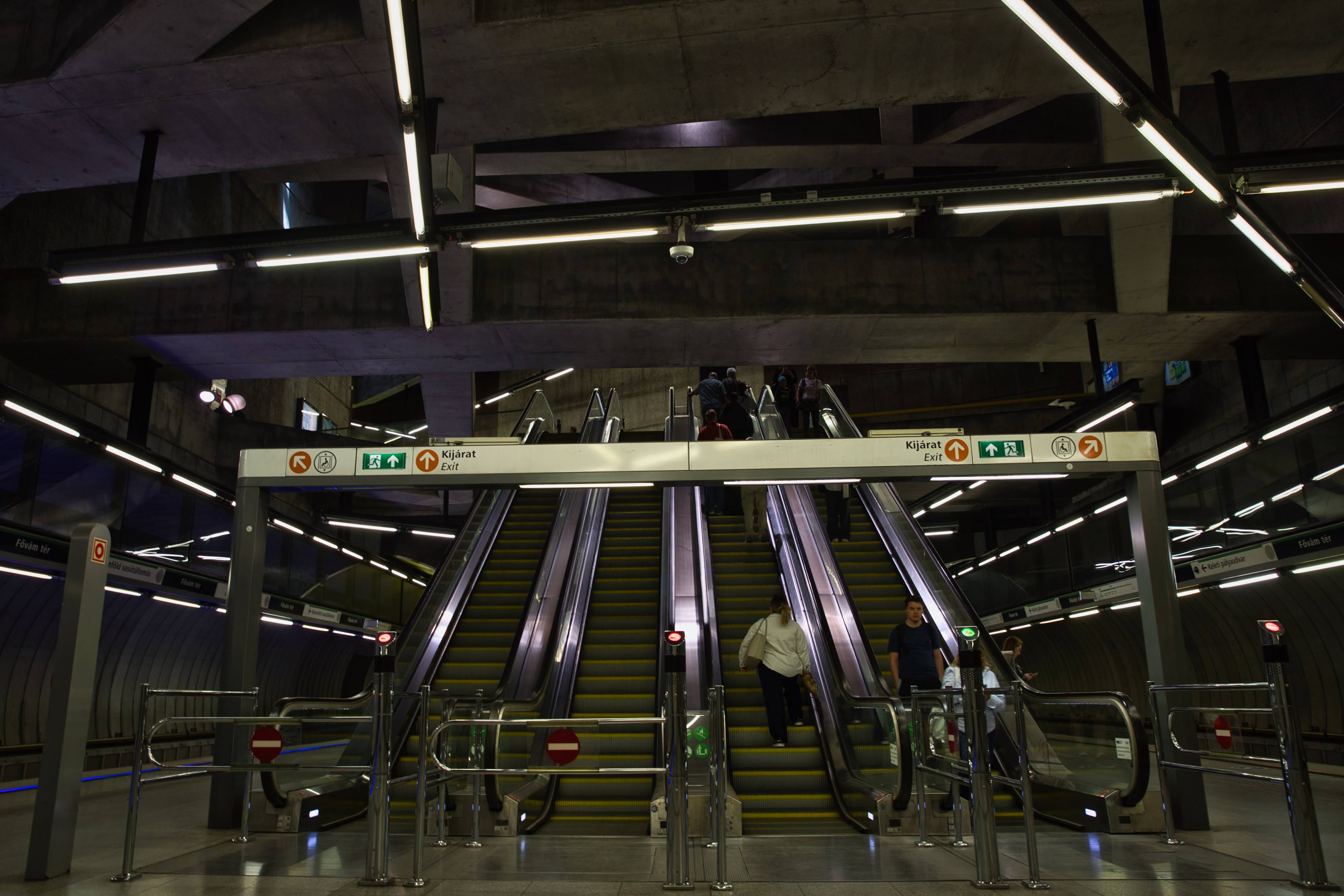
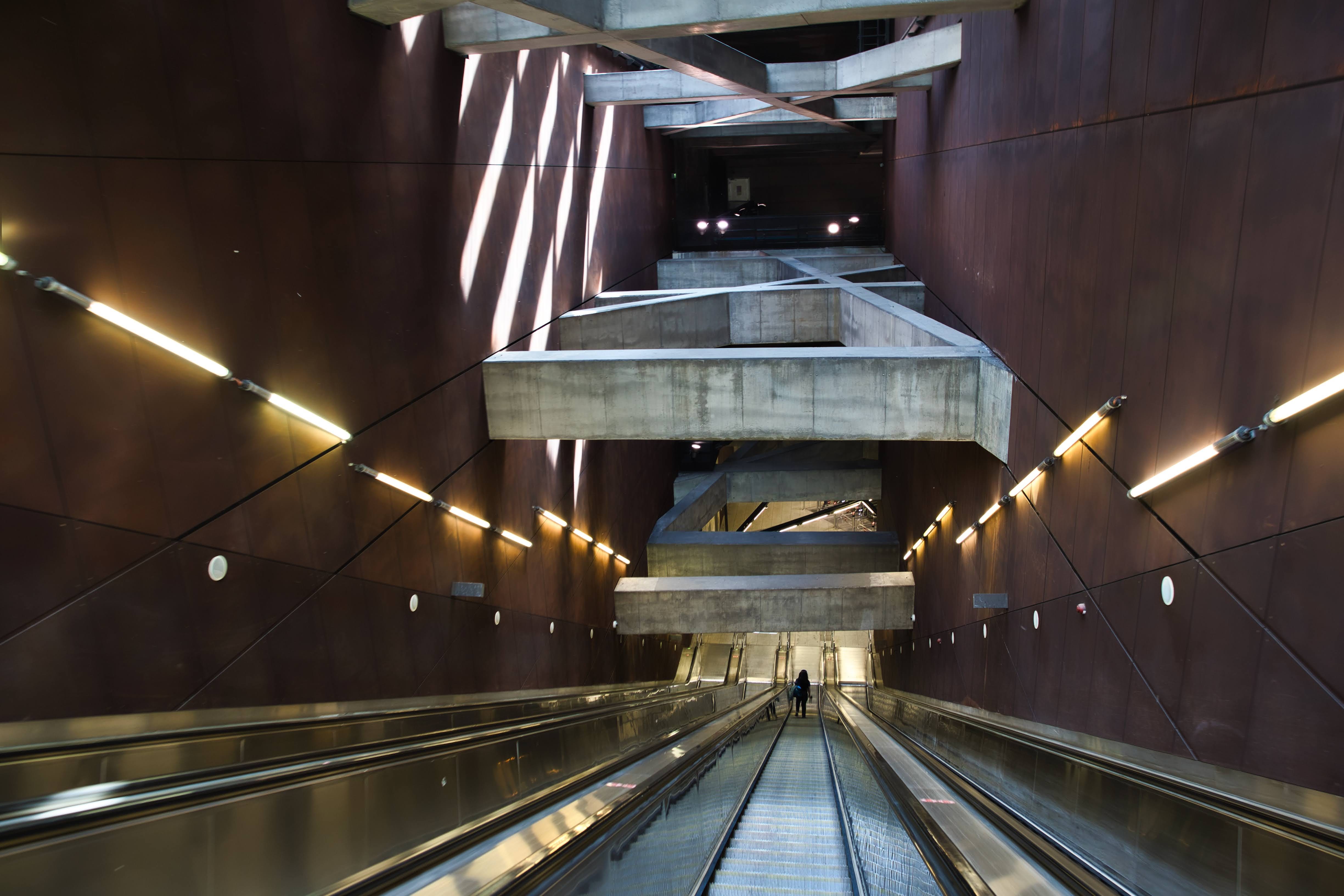
Fővám tér completes my top three on Line M4 with its massive open central void and almost cathedral-like scale. It feels like standing inside a structural skeleton.
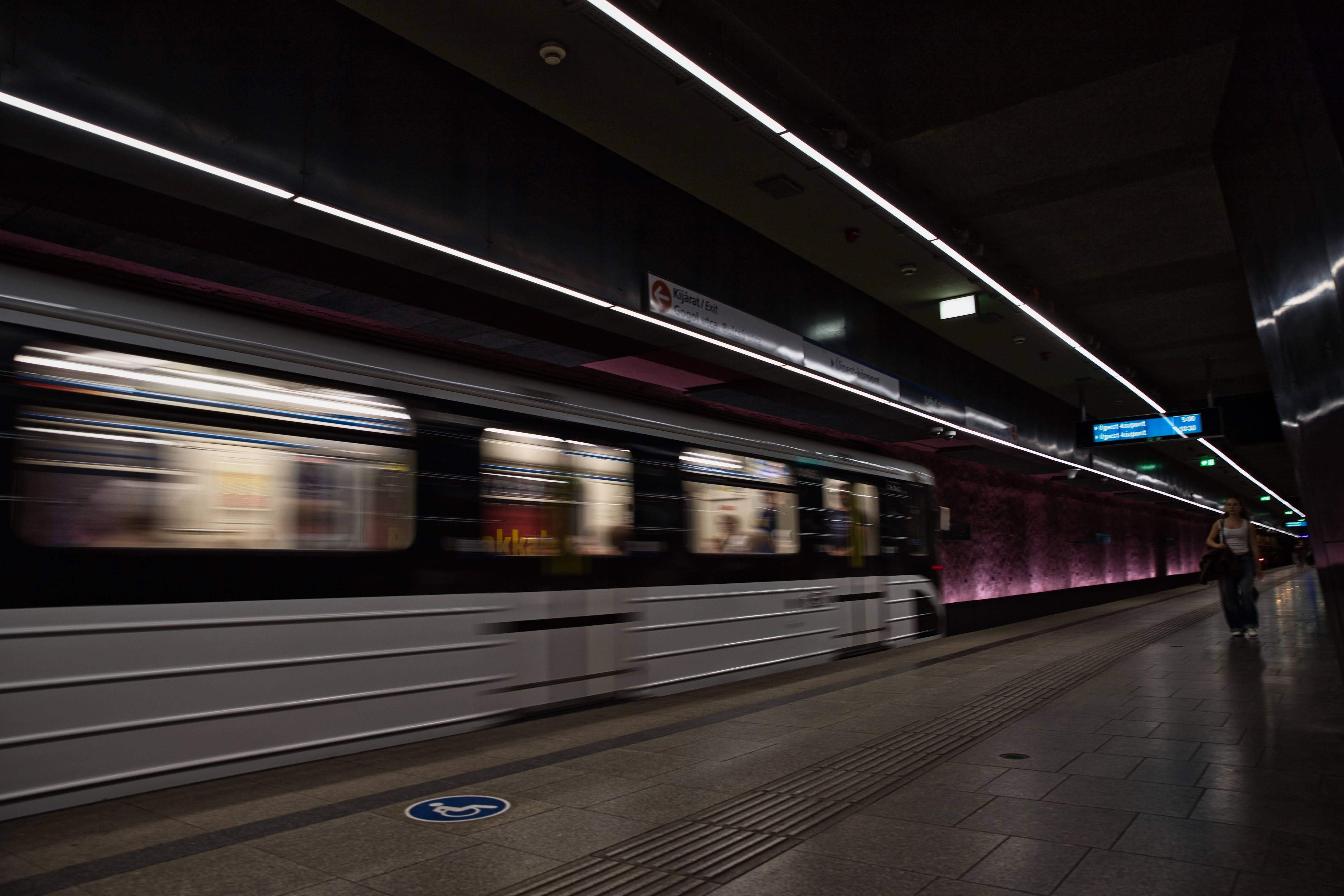
Finally, Lehel tér station on Line M3 stands out for its bold design approach that exposes raw concrete and structural elements and turns the infrastructure itself into the aesthetic. It combines these industrial motives with bright colours like pink, which creates a striking contrast between socialist-era metro design and contemporary kinks.
The Budapest Metro is far more than just transportation. It’s a layered urban experience and a hybrid of 19th‑century innovation and 21st‑century automation. If you’re visiting Budapest, don’t just ride the metro - explore it ∎.
If the Budapest Metro is only 24 miles total, there sure is a lot of Metro packed into those two-dozen miles! Amazing!